
Feature
- VISIT YAMAGATA
- Feature
- [Feature] Bunshirofu! Delicious Fu
[Feature] Bunshirofu! Delicious Fu
- Higashine
- 2026.04.15
 Sightseeing・ Food・ Souvenir
  Popular Recommended Girls Family History
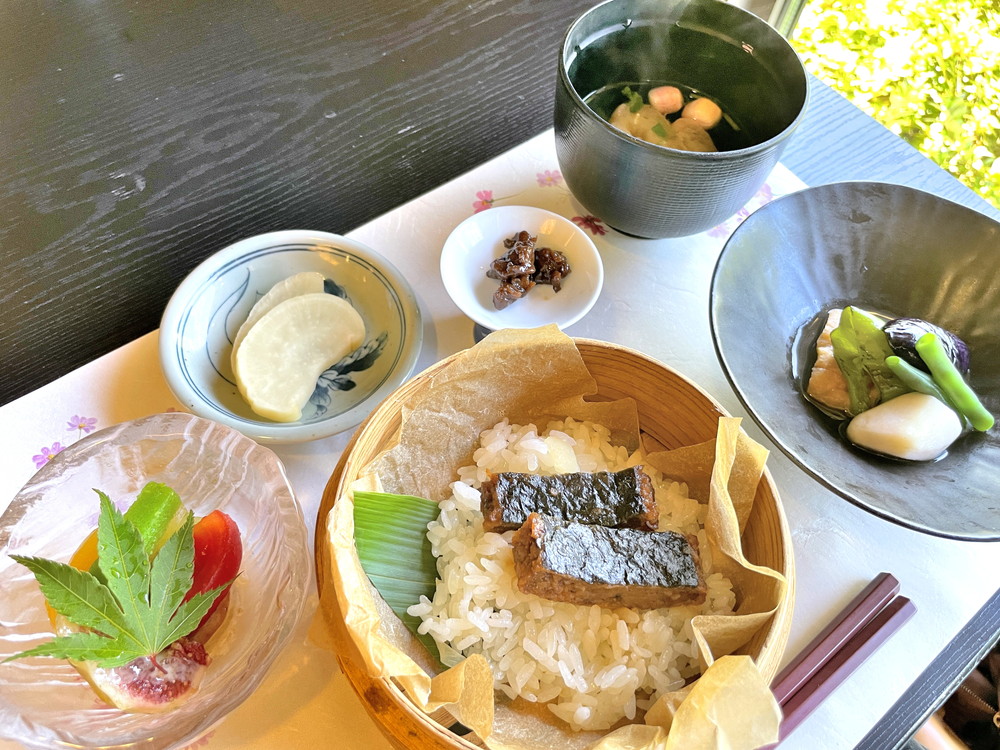
“I had no idea there was something this delicious in Yamagata…”
The author eats at over 200 restaurants every year, and these were his honest impressions from this interview.
The name of that ingredient is “fu.”
It is a traditional food ingredient made by kneading wheat flour with water, and there are many different types, including “namafu” (raw gluten) and “yakifu” (grilled gluten).
It has long been a staple on the dining tables of Yamagata residents, and is used not only as a standalone dish but also as an ingredient in imoni stew, sukiyaki, and oden.
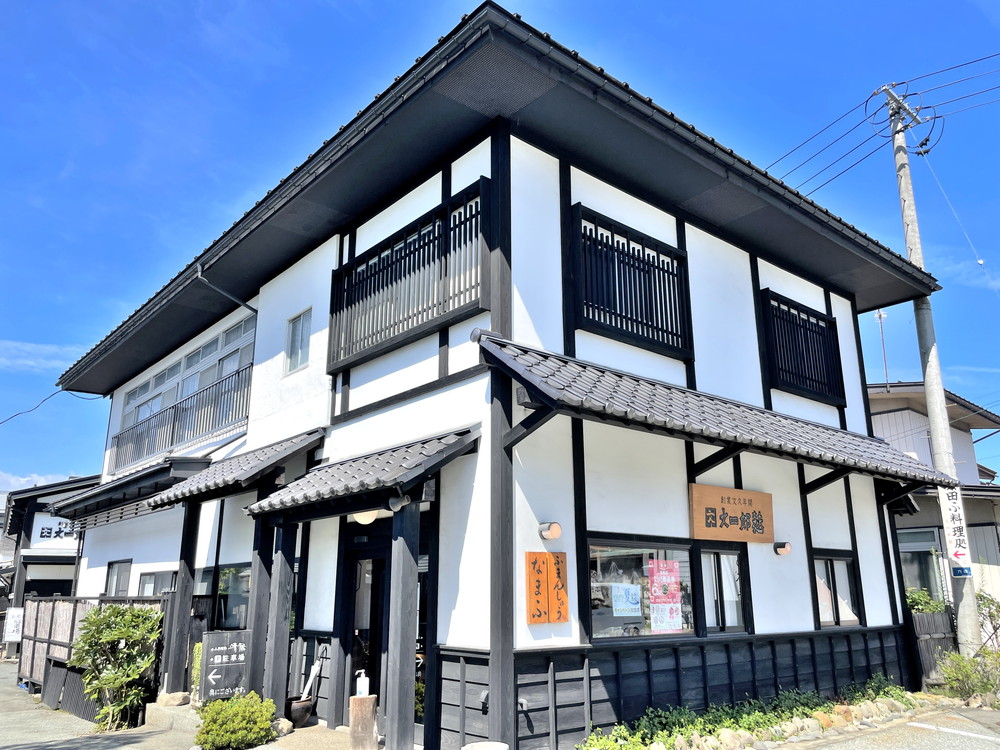
To try this tofu, I visited Bunshirofu, a long-established shop in the Rokuta district of Higashine city, one of the leading tofu places in the country.
Founded during the Bunkyu era, it is one of the oldest establishments in Japan.
We also introduce plenty of restaurants where you can enjoy dishes using “fu” as well as recommended souvenirs, so be sure to stop by!
1. What is Bunshirofu?
① The history of Yamagata and wheat gluten
The Rokuta district of Higashine City has flourished as a post town on the Ushu Kaido Road since the Edo period.
Higashine City is now famous for cherries, but during the Edo period, safflower cultivation was thriving.
Safflower harvesting ends in July.
In order to grow good safflower the following year, wheat cultivation begins on land after the harvest season.
It is said that this is where gluten production began, using high-quality wheat and spring water.
Meat and fish are scarce in this area, so gluten has become popular as a food ingredient to supplement protein.
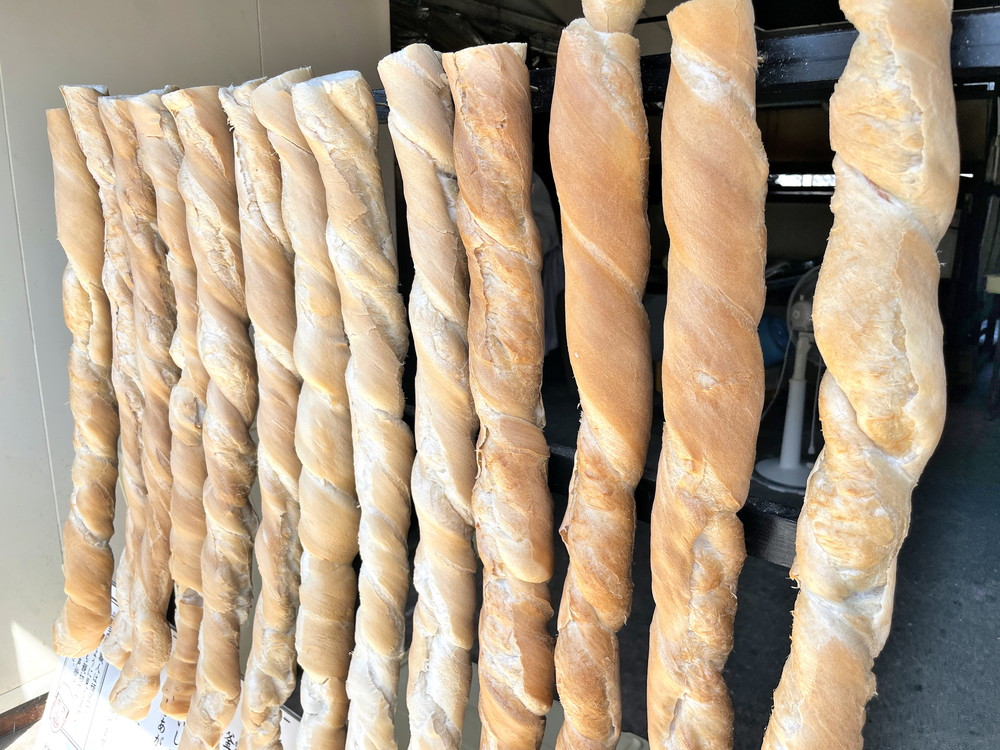
Currently, there are five fu shops operating in the Rokuta area.
It seems that Yamagata Prefecture is the only area in the country where this tradition still remains.
② Bunshiro Fu
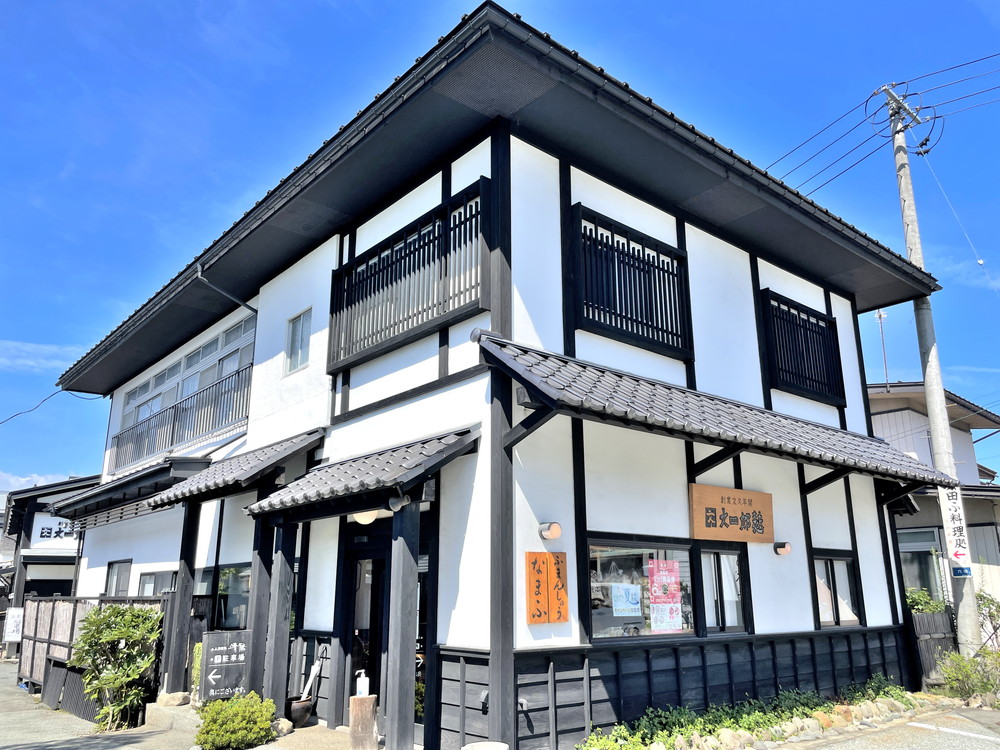
Bunshirofu was founded during the Bunkyu era.
Its history spans 150 years!
Using high-quality strong wheat flour and the pure water of the Rokuta area, we continue to carefully make each piece of gluten using traditional methods.
Under Bunshiro-san, the current 6th generation owner, the restaurant has evolved even further, with the opening of “Seigo, a restaurant serving gluten dishes,” and the “Bunshiro Fu Sales Shop,” which is constantly stocked with new products and souvenirs. The restaurant is bustling with tourists and locals every day, drawn by its charms.
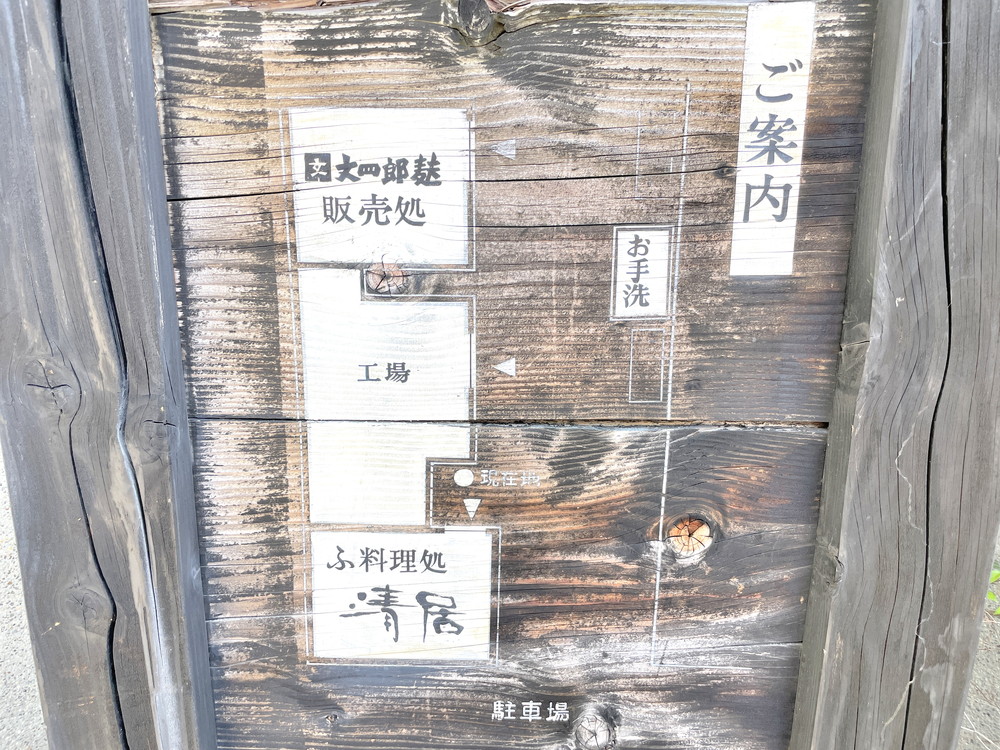
2. Buy souvenirs at the Bunshirofu Shop
The first place we will introduce is the Bunshirofu Shop, which has a wide selection of unique souvenirs.
When you enter the store, you will be greeted by a large amount of gluten.
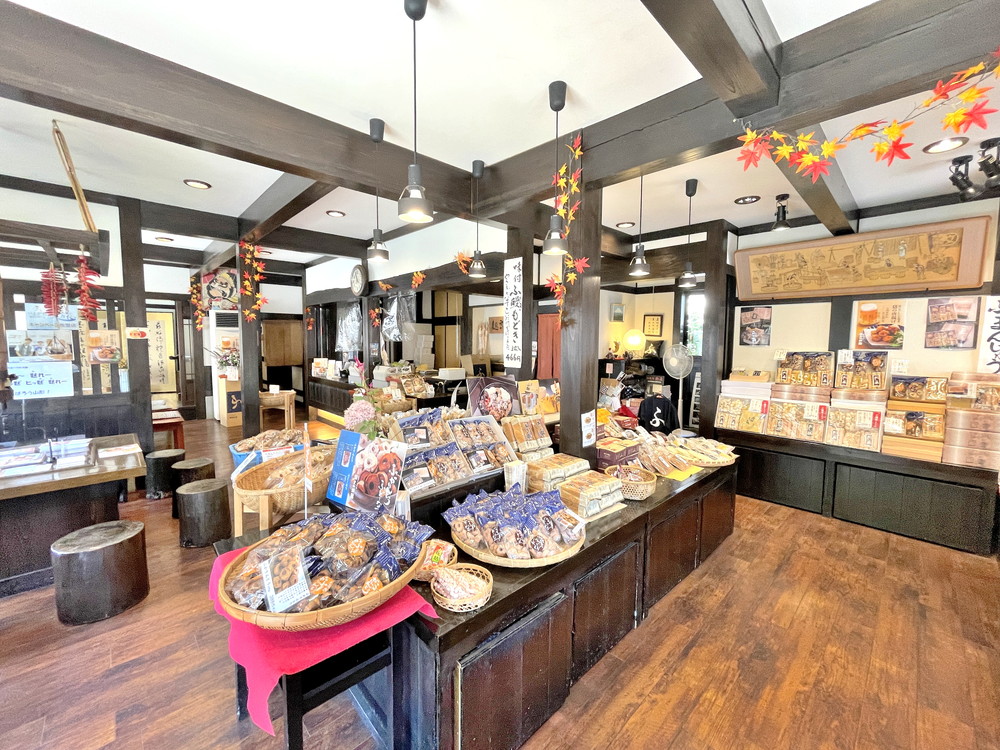
I was amazed at the wide variety of shapes, including spiral shapes, round hail-like shapes, and brightly colored ones.
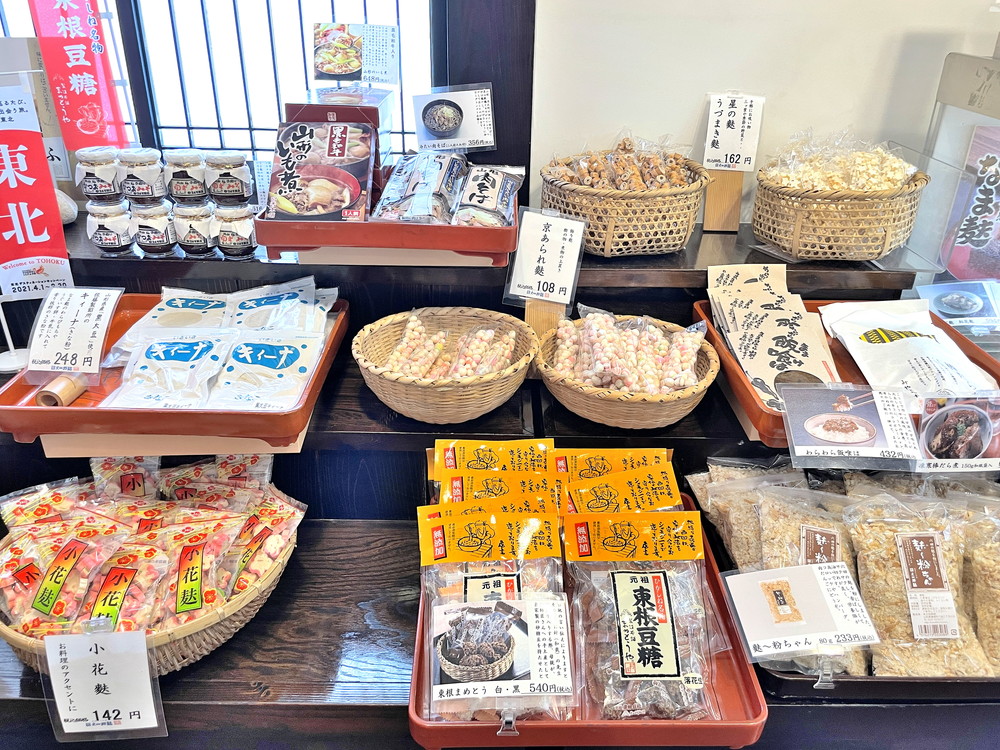
We don’t just sell gluten.
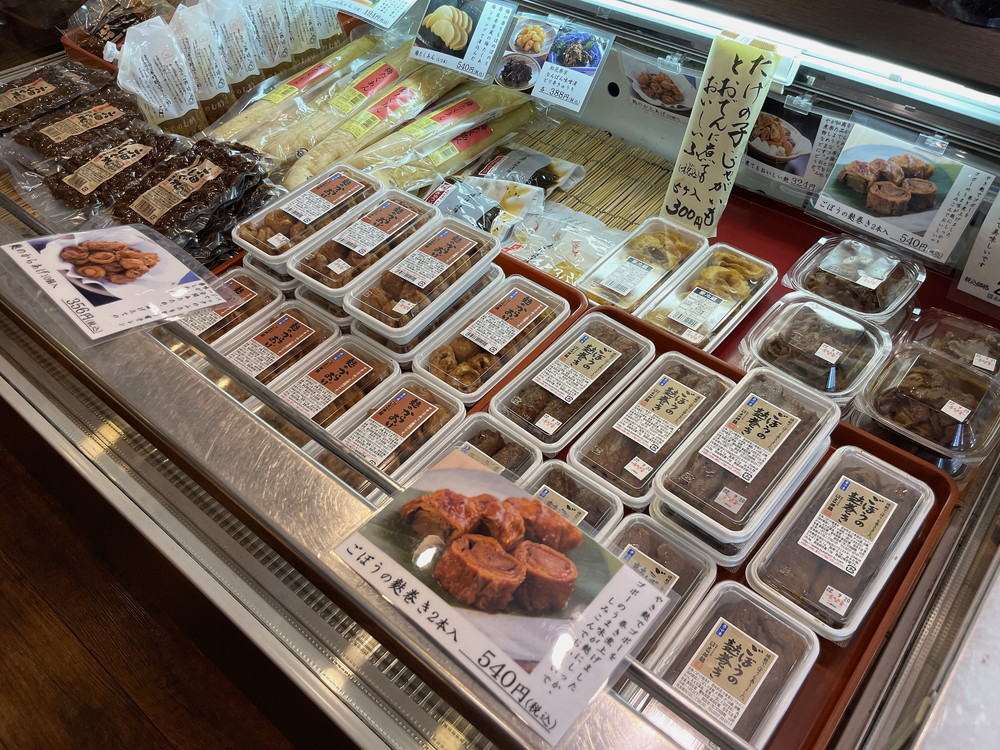
Side dishes such as “Burdock wrapped in gluten,” “fried gluten,” and “Rokuta Shigure (glutinous stew)” are available.
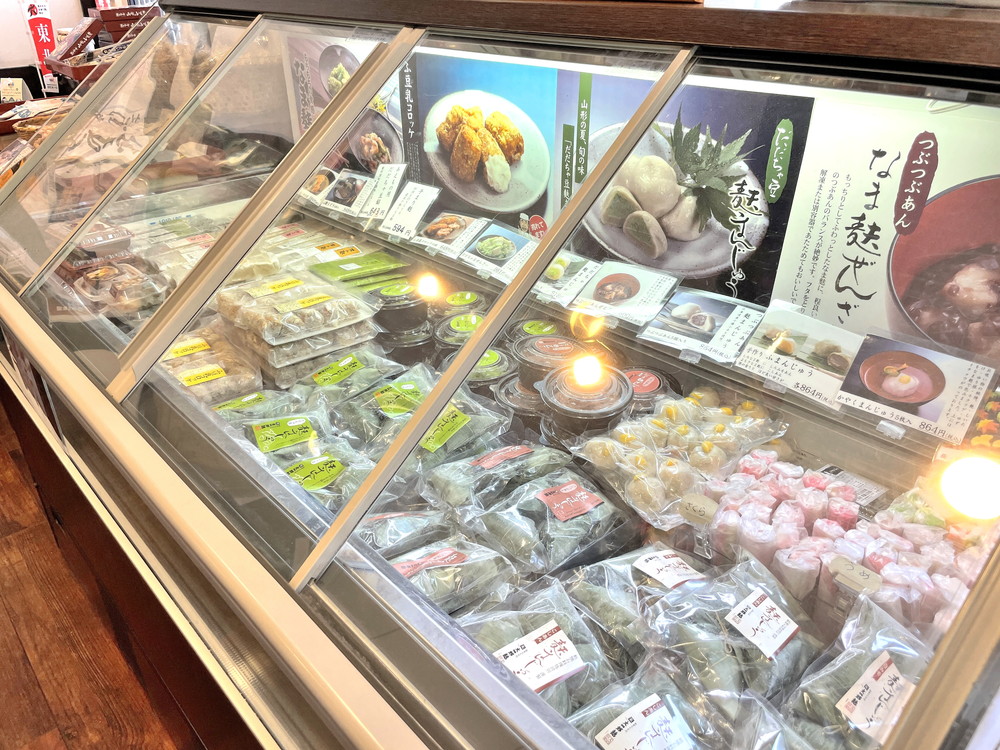
There are many products that will make you wonder, “Is this made from wheat gluten?”, including sweets such as “Fu Manju” and “Namafu Zenzai”!
Fu can be used in a variety of dishes and is also a perfect gift.
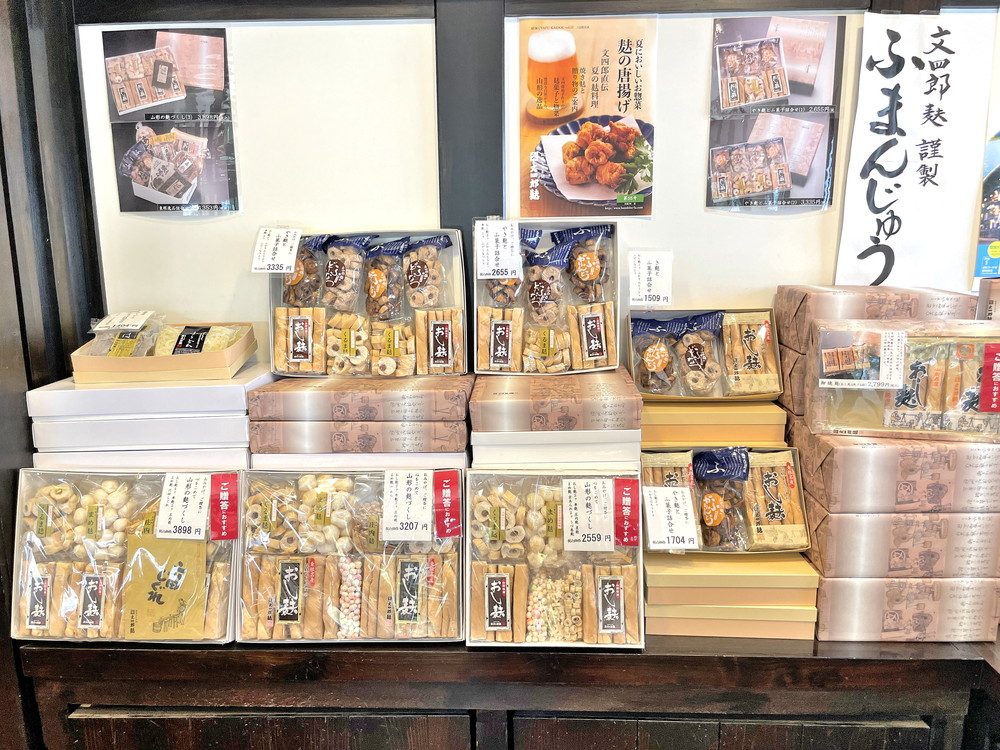
This is a gift item that is not often seen elsewhere, so we recommend it to readers who feel that souvenirs and other gifts are becoming a bit stale.
◆Recommended products
We also asked about the popular items in the store!
① Fried food
Simple is best!
This product is freshly made roasted tofu packed in a bag.
Since the gluten is originally cut into long, round pieces, it seems like it would be easy to use at home.
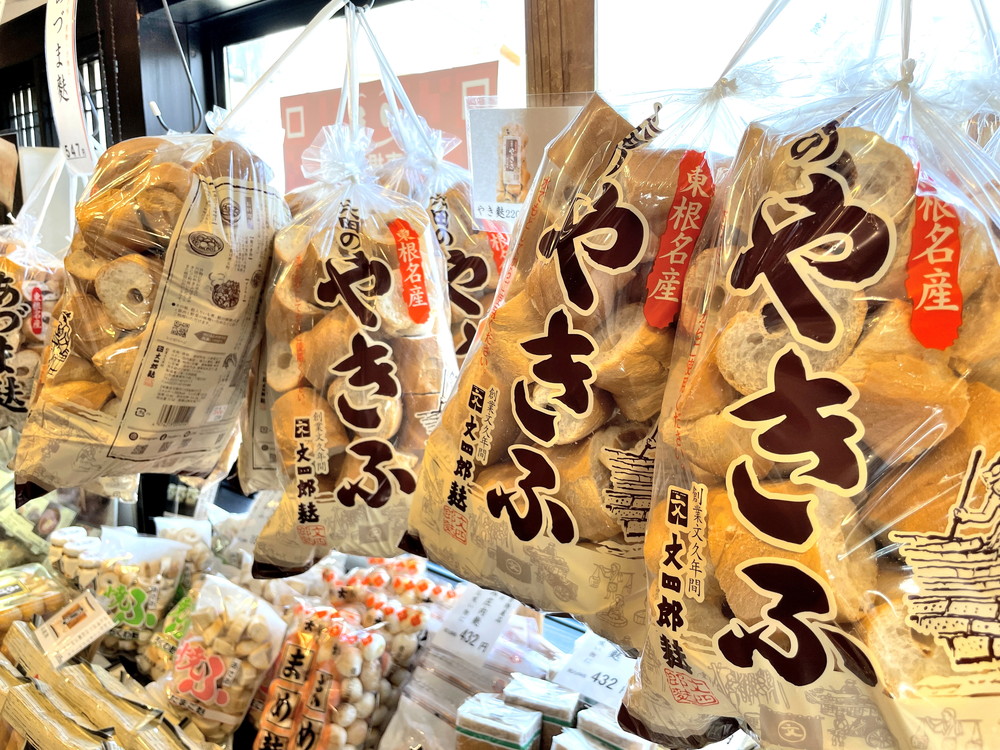
After enjoying the delicious gluten dishes at “Fu Cuisine Seigo,” which we will introduce later, you’ll definitely want to make gluten dishes at home!
Be sure to check it out after you’ve enjoyed your meal.
② Fukarinto and Fudonuts
“Fukarinto” is made by coating wheat gluten with brown sugar, and is characterized by its fragrant and slightly seaweed-sweet taste.
On the other hand, “Fudonuts” are made by coating wheat gluten with sugar and cinnamon.
Both are puffed snacks with a crispy texture.
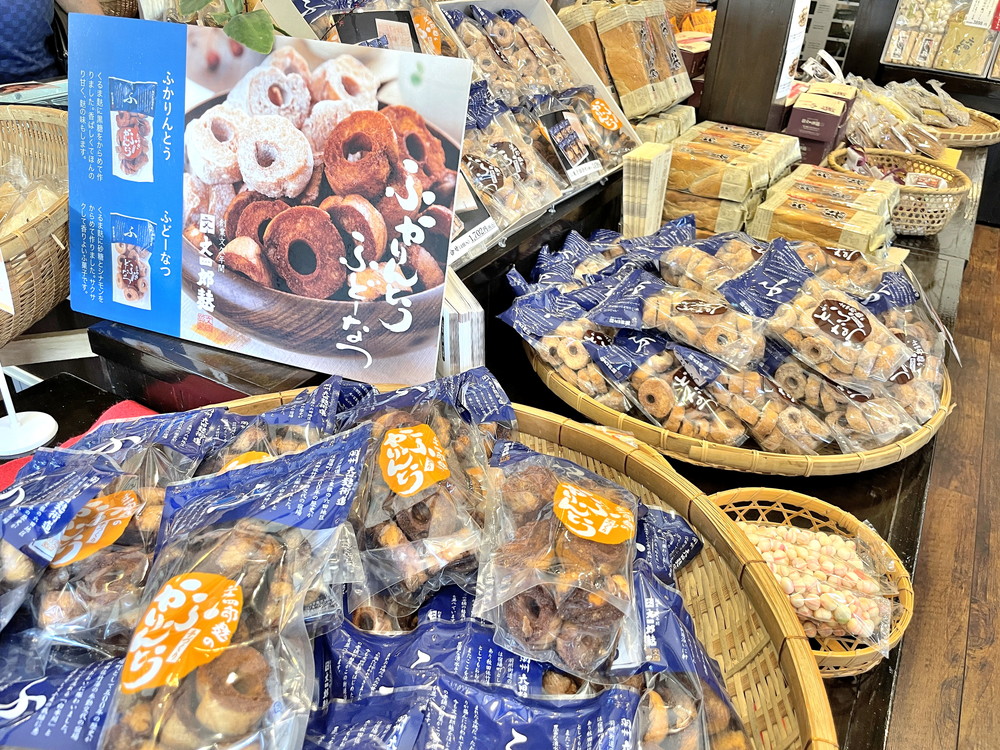
This is also a perfect snack for kids!
It’s a product the whole family can enjoy.
3. Fried gluten
It’s fried gluten seasoned with ginger flavor.
What!
It has the texture of chicken!!!
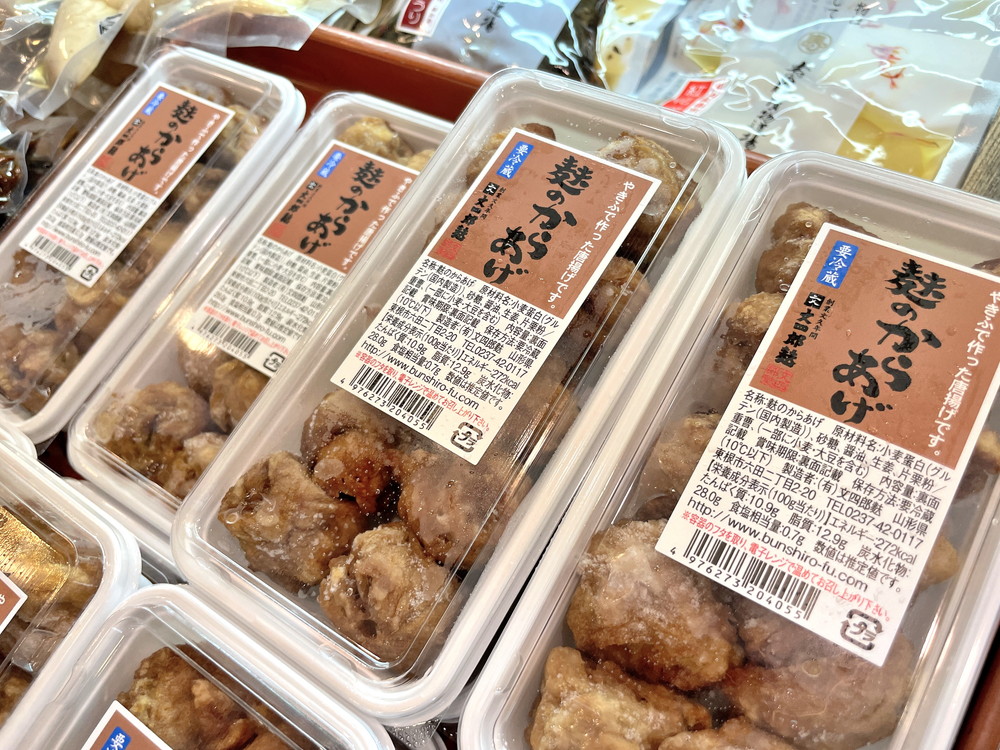
It is also recommended for those who cannot eat meat.
It keeps well when frozen, so it’s great to be able to stock it in your fridge.
④ Fumanju
A soft and chewy manju made with raw wheat gluten dough.
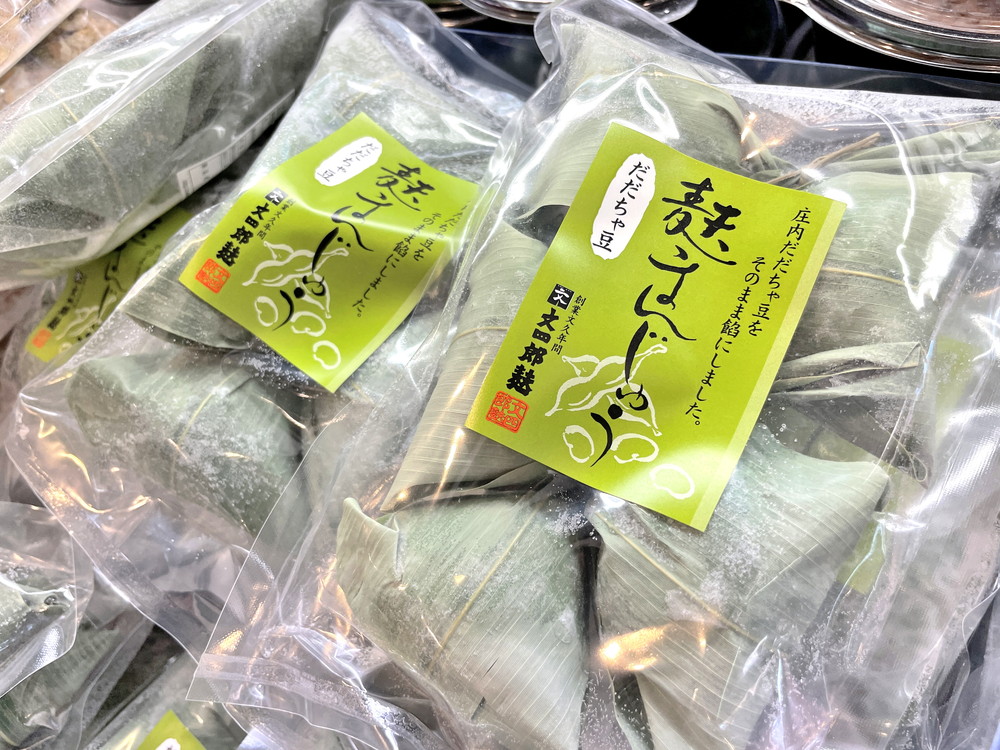
There are also seasonal flavors available, such as dadachamame and sesame bean paste, so be sure to check them out when you visit.
Fu is easy to digest and has low calories and cholesterol, so you can eat it without worry.
3. Factory
The factory is located at the back of the sales outlet.
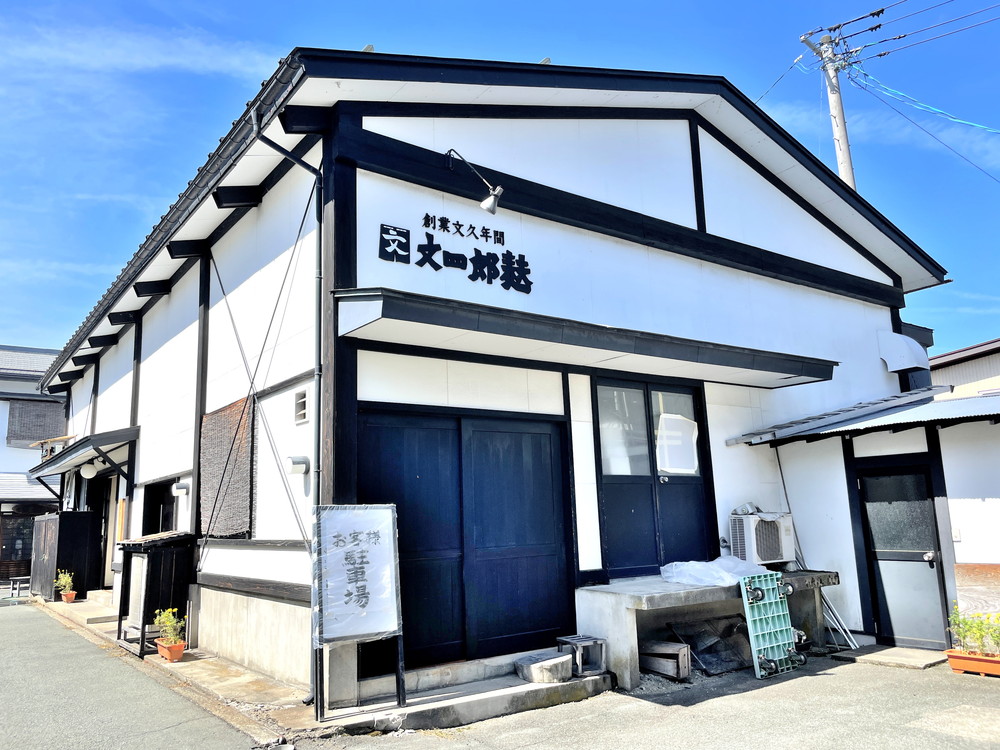
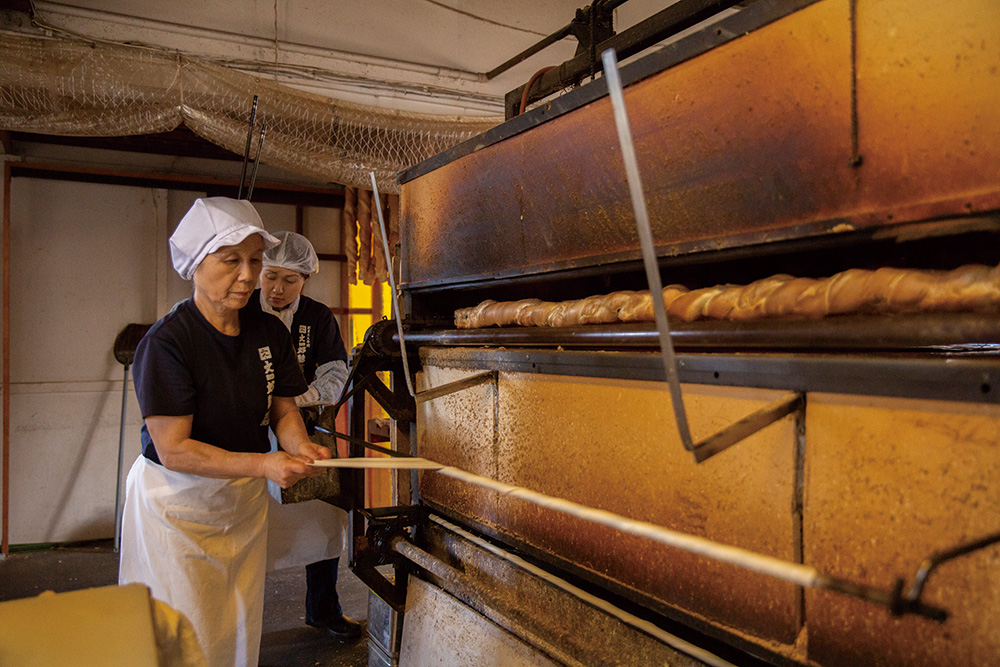
You can freely observe the process of how the craftsmen painstakingly make gluten.
Inside, the process of making gluten was explained in an easy-to-understand manner with illustrations.
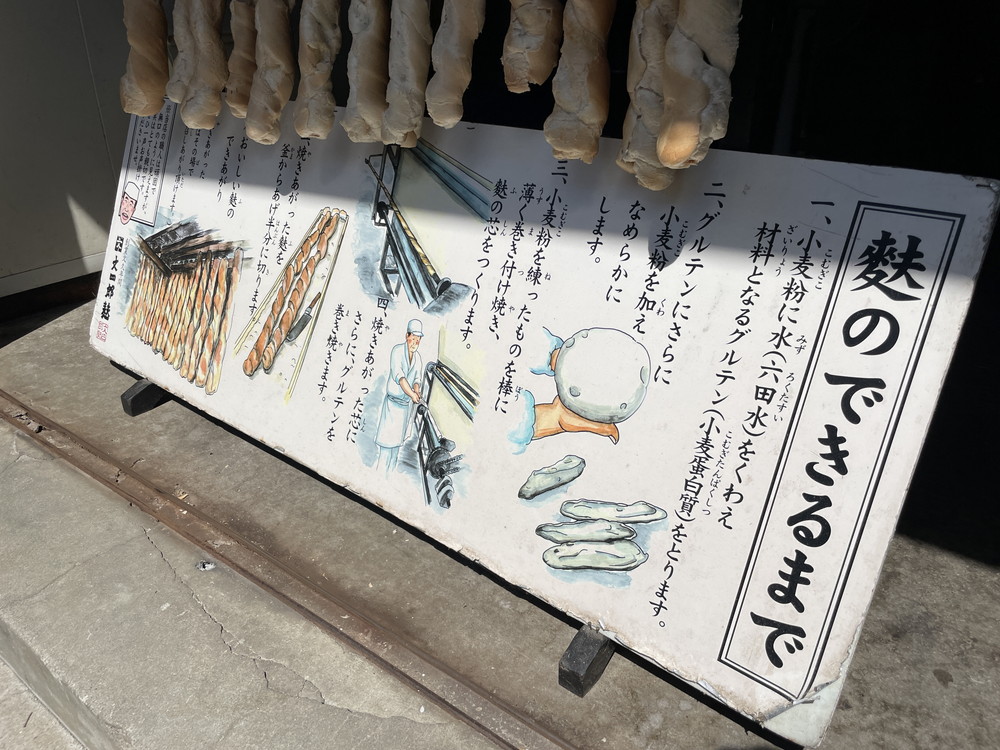
Due to time constraints we weren’t able to take a thorough look around this time, but using photos from the website we will briefly explain how to make fu!
[1] Add Rokuta’s delicious water to carefully selected strong wheat flour and mix well.
After that, add more water to the well-mixed flour and wash it.
To put it in perspective, it’s like washing flour often.
Leave it for about 2 hours, and what remains is wheat protein – commonly known as gluten.
From the official website of Bunshirofu
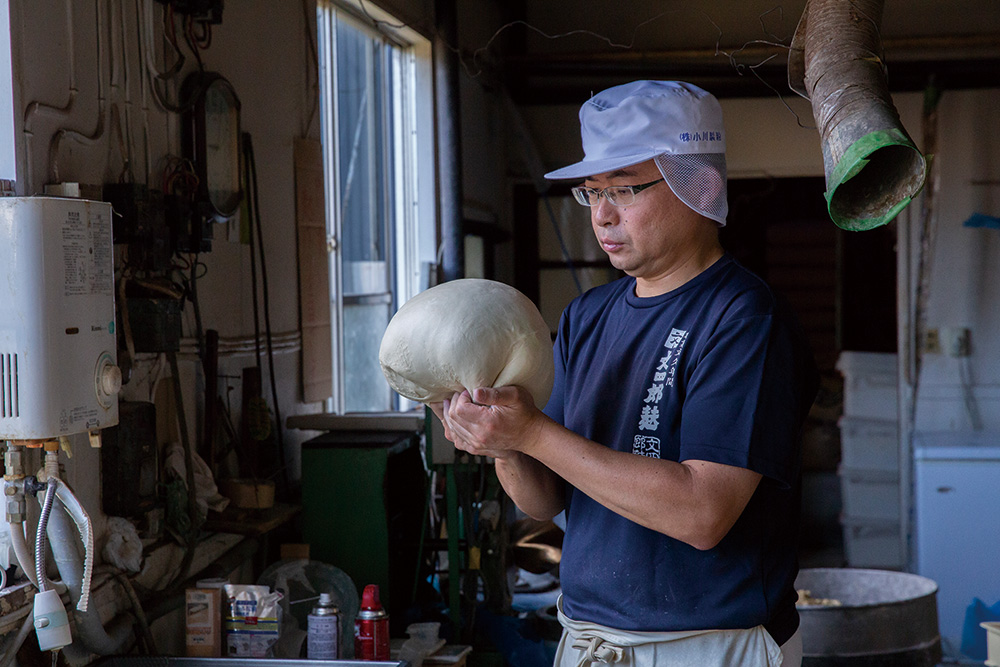
By the way, these manufacturing processes have remained unchanged from the past to the present.
[2] The first time, a wheat gluten core made from wheat flour and water is wrapped around a metal (wood) stick.
The reason for wrapping this core is to make it easier to wrap the gluten the second time around, and also to make it easier for the gluten to come off the stick after baking.[3] The gluten made in [1] is rolled up into a wheat gluten core.
This is where skilled craftsmen work.
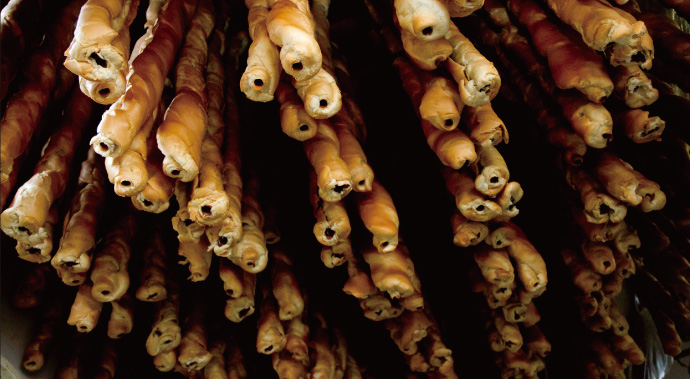
[4] The cooked gluten is removed from the pot, the metal rods are removed, and it is then left to dry overnight.
Bunshirofu Official Website
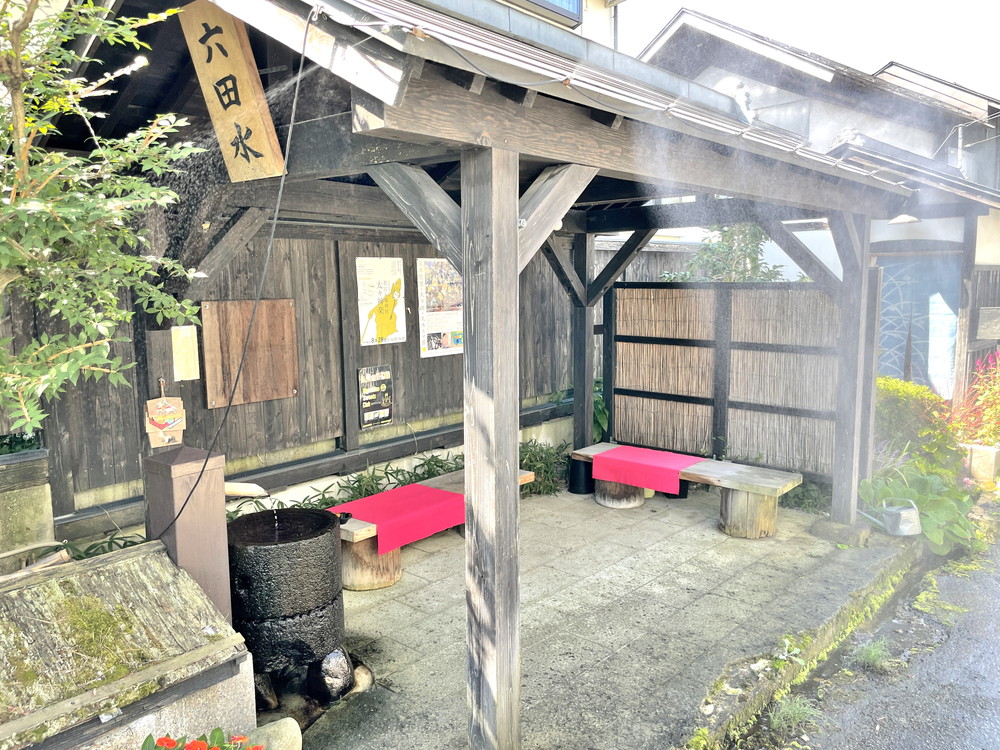
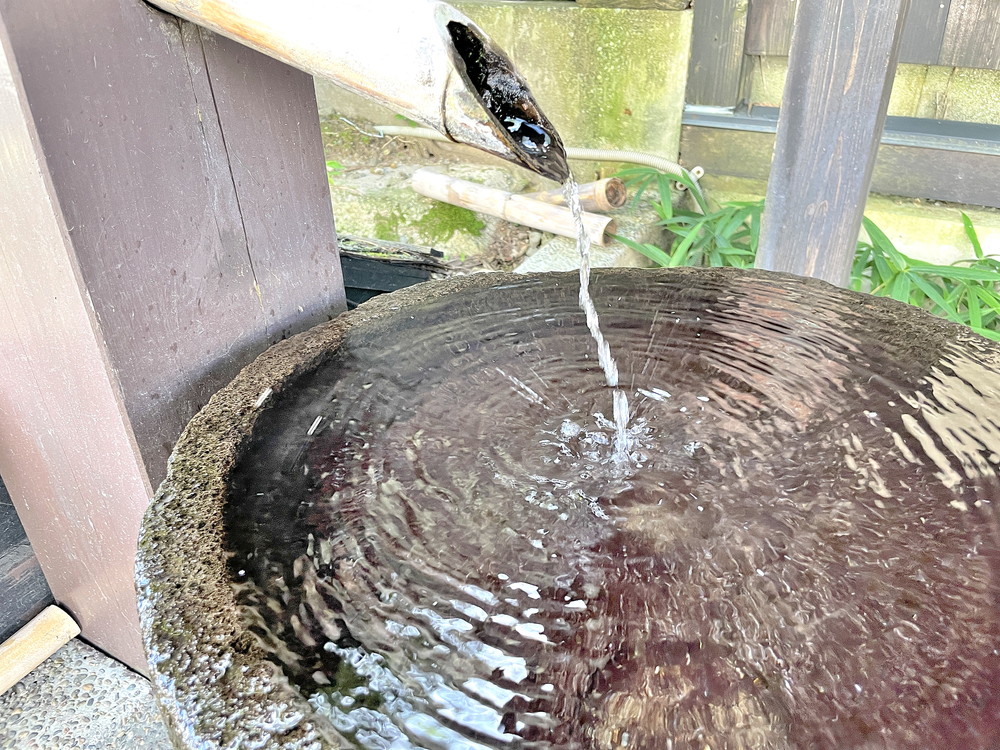
The water (Rokuta water) used to make the gluten is available right next to the store, so be sure to take a look.
*Currently (as of October 2022), the water is not drinkable due to infection control measures.
4. Seigo, a gluten restaurant
The last place I would like to introduce is “Seigo, a gluten restaurant.”
You can enjoy kaiseki cuisine made with gluten and local seasonal ingredients.
*Please note that reservations must be made at least one day in advance.
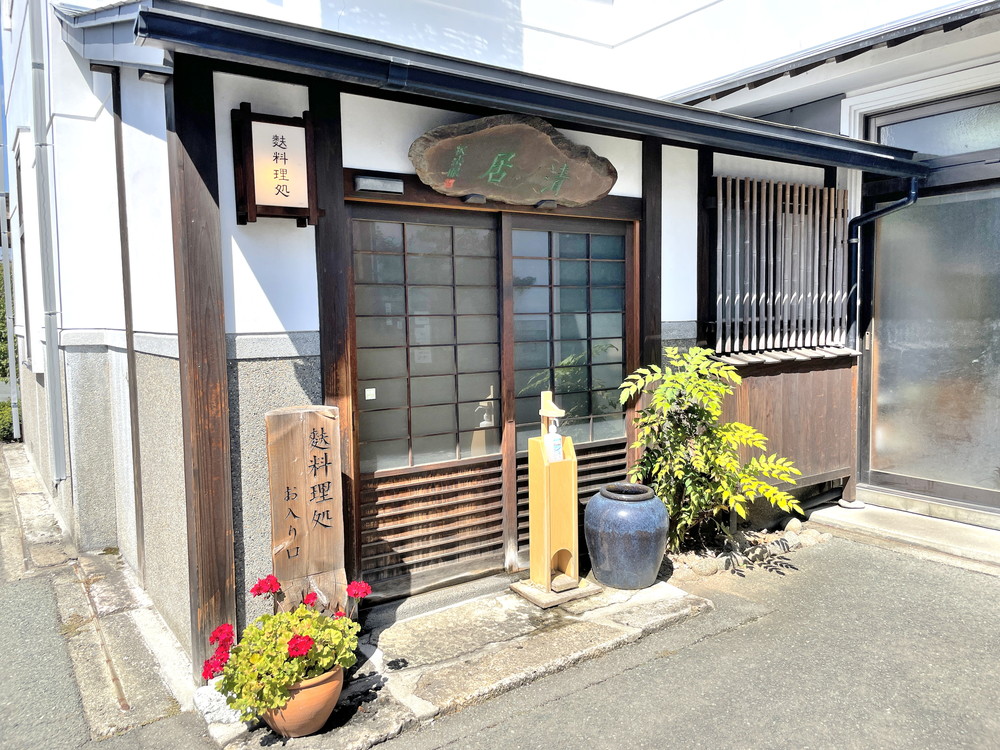
This is what the inside of the building looks like.
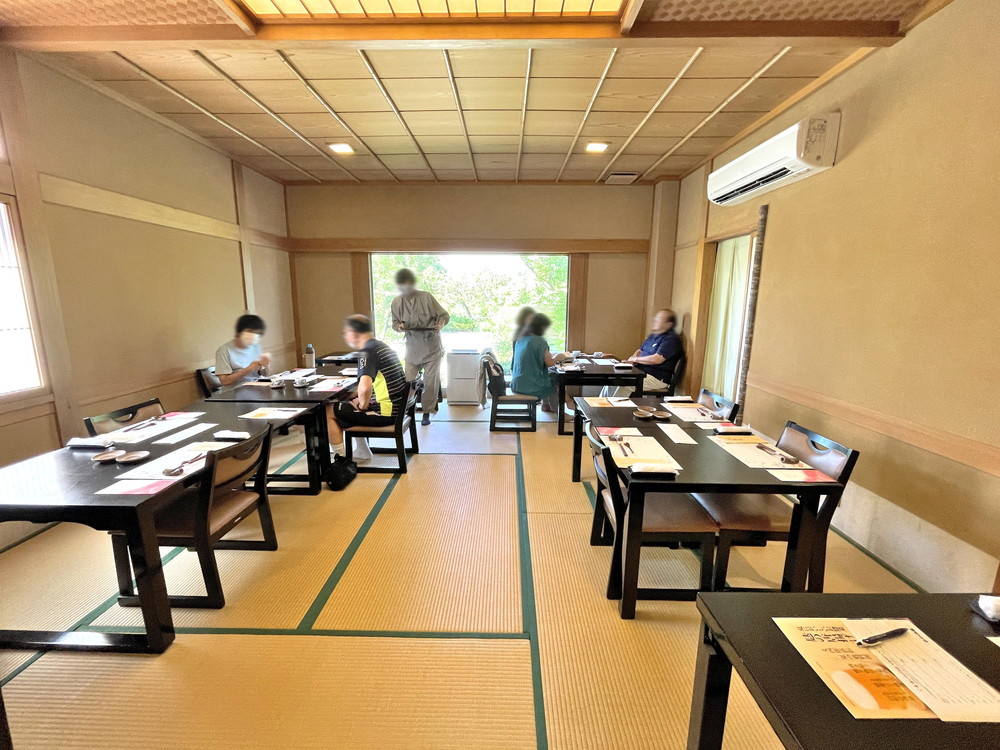
The day I visited, it was fully booked even though it was a weekday!
Many visitors came from within the prefecture as well as from outside the prefecture.
You can enjoy your meal at your own pace in a relaxed atmosphere.
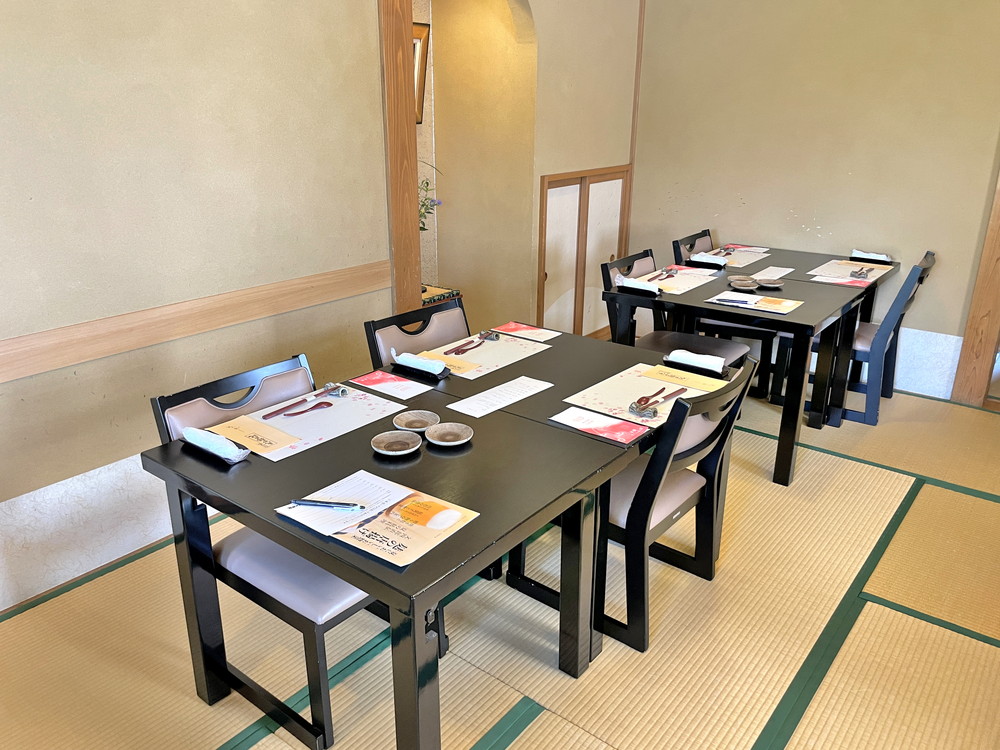
① Menu
Here is the menu.
(As of September 2022)
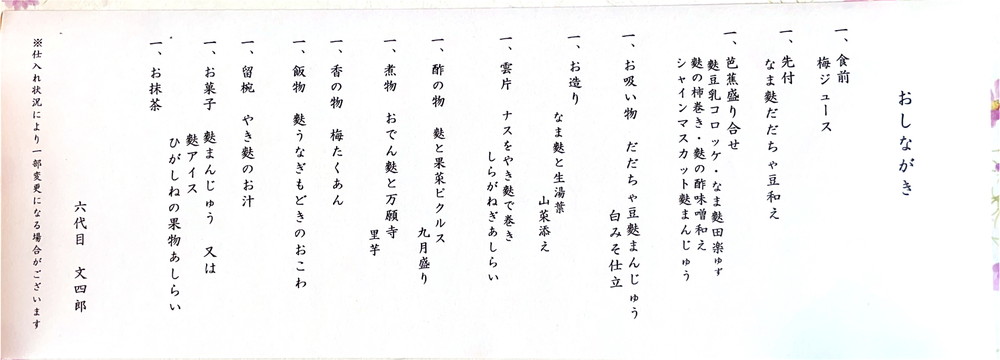
The menu changes every month, so you can experience the delicious flavors of each season: mountain vegetables in the spring, mushrooms in the fall, hot pot in the winter, etc.
Another great thing about this shop is that the staff will carry each item for you, explaining it to you in detail as they go.
It’s amazing how knowing what ingredients are used and how they are used can change the taste of the dish.
② Appetizer, appetizer, Basho assortment, and soup
Here’s the food report on the dishes!
The first thing that was brought out was the pre-meal “special plum juice (photo top right).”
This is followed by an appetizer, a Basho platter, and soup.
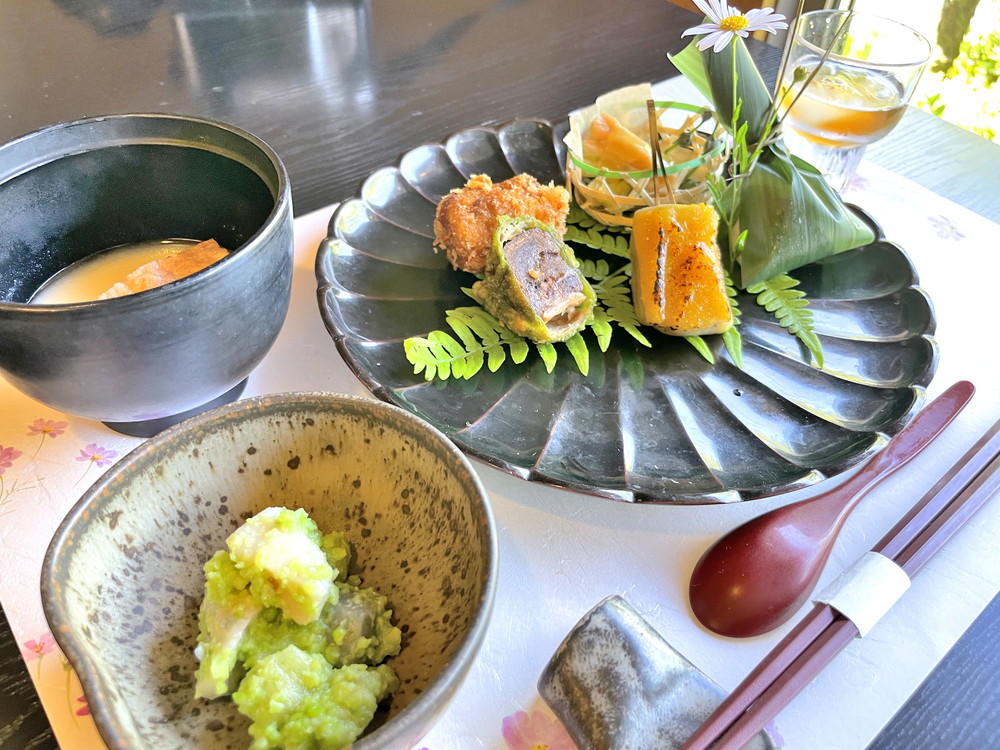
The Basho platter is already full of gluten, including gluten soy milk croquettes, raw gluten dengaku with yuzu, gluten wrapped in persimmon, gluten dressed in vinegared miso, and Shine Muscat gluten buns!
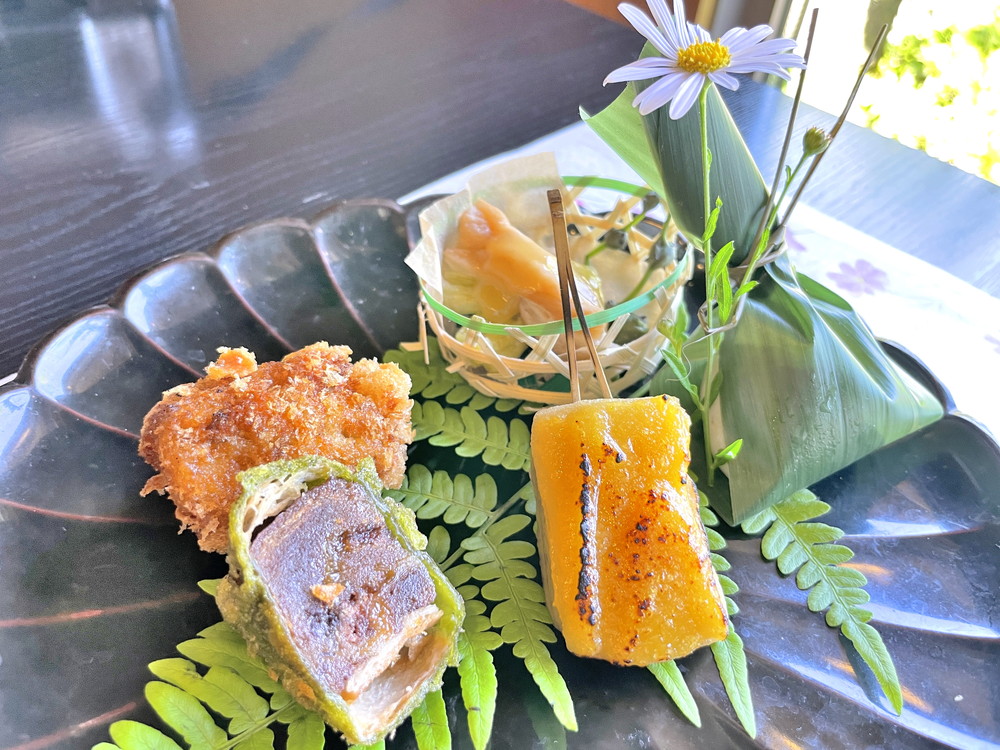
This dish also fulfills the selfish desire to try a little bit of many different things!
And without exception, they all pair well with other ingredients…
And it’s not just because gluten is made from simple ingredients.
The level of perfection is so high that it is easy to imagine the time and effort required, as well as the trial and error that went into each product.
The moment it was carried
“This looks delicious, but I wonder what kind of food it is…”
Where is gluten used?
Such an exciting feeling.
Afterwards, the staff member gave a detailed explanation and I couldn’t help but exclaim, “Wow, that’s amazing!”
At the other tables, exclamations of admiration were heard all the time, both when the food was brought to them and after the explanation.
③ Sashimi
The next dish to be brought out was sashimi with raw gluten, raw yuba and mountain vegetables.
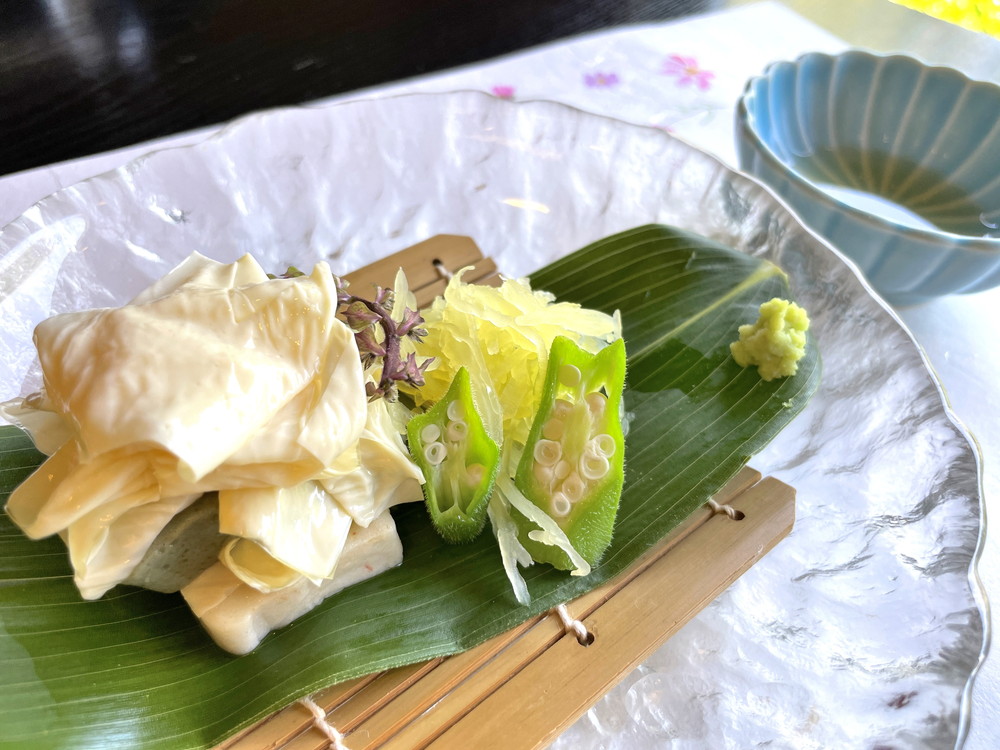
This is a refreshing dish garnished with somen pumpkin.
There is raw gluten underneath the yuba.
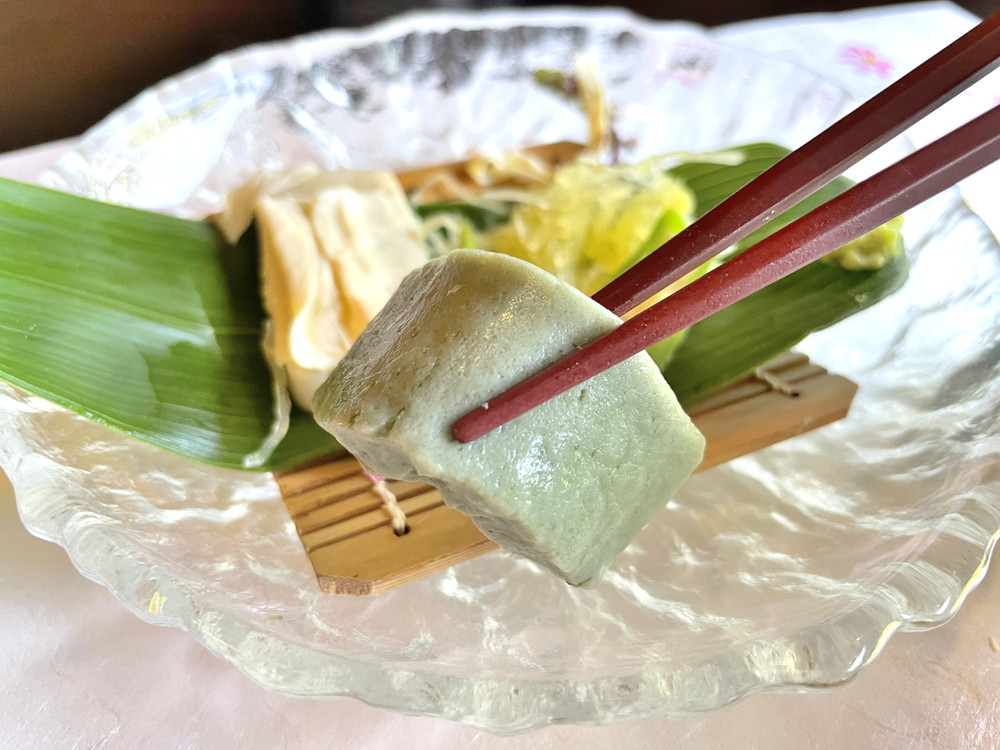
This was my first attempt at making namafu, and it was soft and fluffy, and when eaten together with yuba, you could enjoy the different textures.
Adding wasabi to the sauce made it even more delicious!
④ Cloud flakes, vinegared dish, simmered dish, pickles, rice, and soup
After that, wheat gluten dishes are brought out one after another: cloud pieces, vinegared dishes, simmered dishes, pickles, rice, and soup.
At this point, the author was already captivated by the charm of tofu.
My anticipation grew as I wondered, “What kind of dish will appear next?”
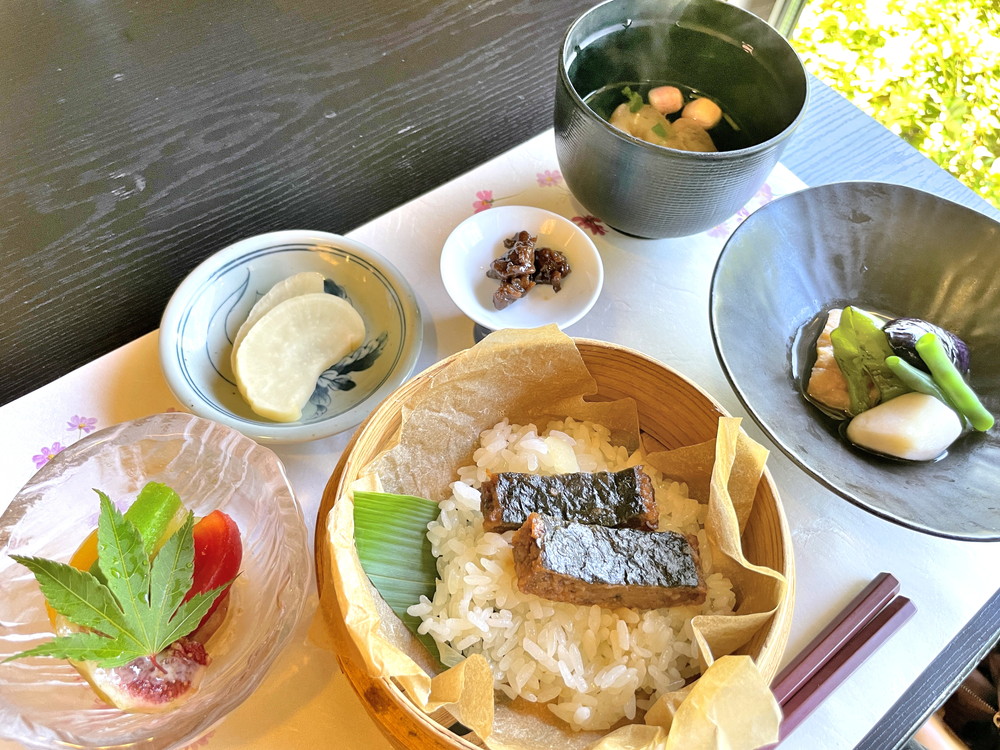
In fact, even the smallest dish in the photo above, “Tsukudani,” is made from wheat gluten.
I was so impressed that I had come this far lol
Kumokata’s “Eggplant wrapped in grilled wheat gluten and garnished with white onions” is a dish of eggplant wrapped in wheat gluten and finished with minced meat miso.
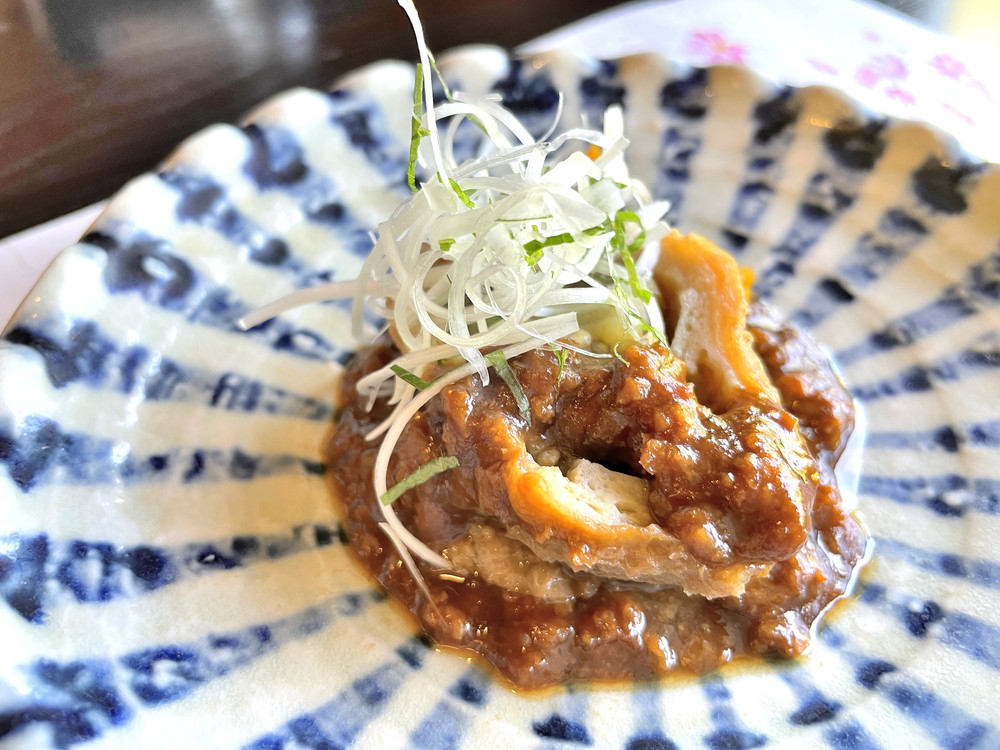
The soft eggplant and gluten were so tender that they could be cut with chopsticks.
What was interesting was the “Gluten and eel imitation rice.”
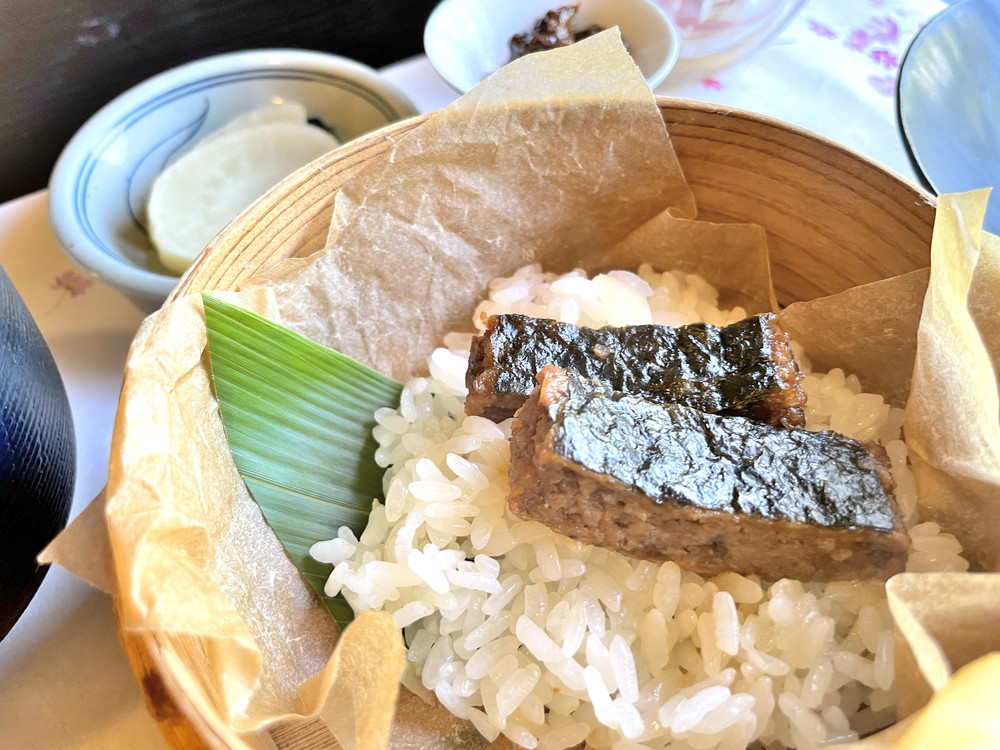
Nori seaweed is used to represent the eel skin, giving it a more authentic eel appearance.
It is made by kneading grilled gluten, eggplant, and shiitake mushrooms together and binding them together with egg and potato starch, and the fluffy and soft texture and sweet and spicy seasoning were absolutely delicious!
⑤ Macha green tea
For the final sweet, you can choose from “Gluten Ice Cream with Higashine Fruits” or “Handmade Gummi Manju”.
I was interested in both, but since the heat was still lingering that day, I chose the ice cream.
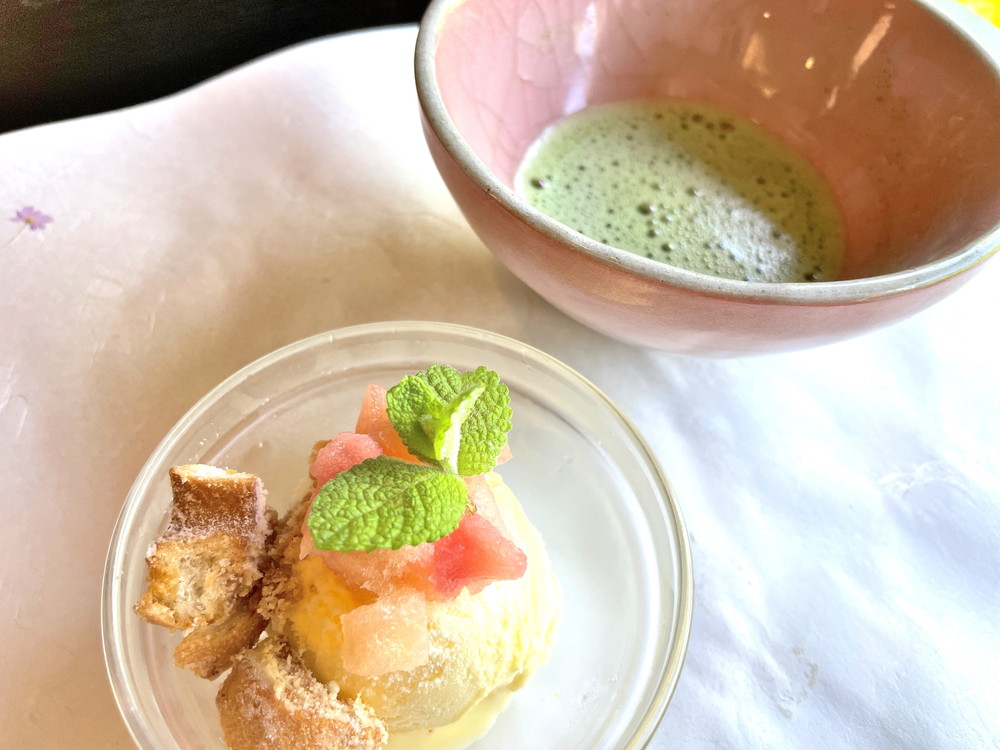
It is served with apple sorbet.
The combination of crispy wheat gluten donut and ice cream is devilishly delicious!
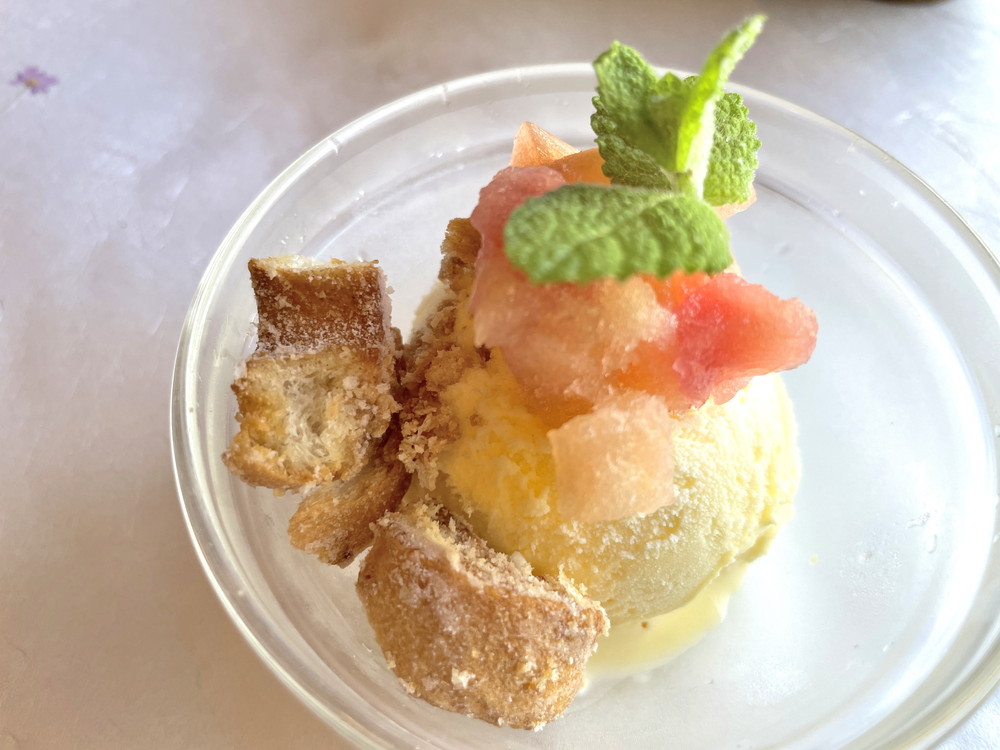
Please be aware that this can go on forever.
We tried a range of dishes, and although they were all very satisfying, they didn’t contain any meat or fish!
I don’t know why, but I feel a refreshing sense of relief, like when I was a student and I gave 100% in a game only to be completely defeated!!!
The variety of gluten, the number of ways to eat it, and its deliciousness – its endless possibilities are second to none out of all the Yamagata ingredients I have had so far!
As an aside, the people sitting next to me were a couple from Hokkaido, who told me they had come to the prefecture specifically to try this gluten dish.
“I had some tofu dishes with a friend the other day and they were delicious, so I wanted to treat my husband to some this time.”
Just like the author, it seems that more and more people across the country are becoming addicted to tofu every day.
5. Parking Lot
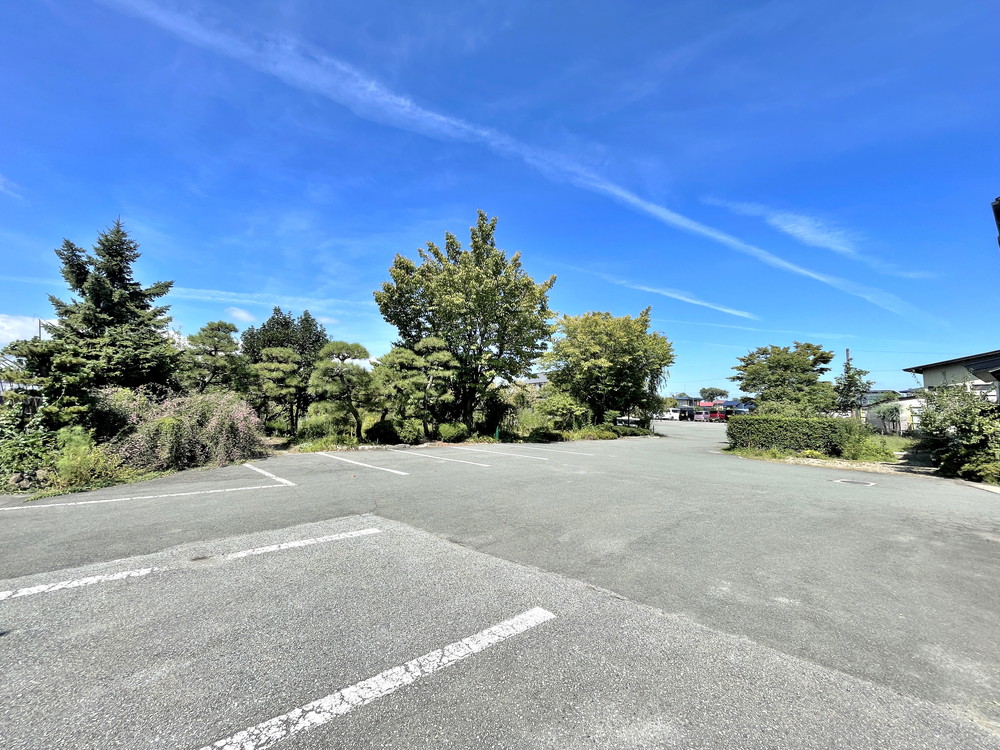
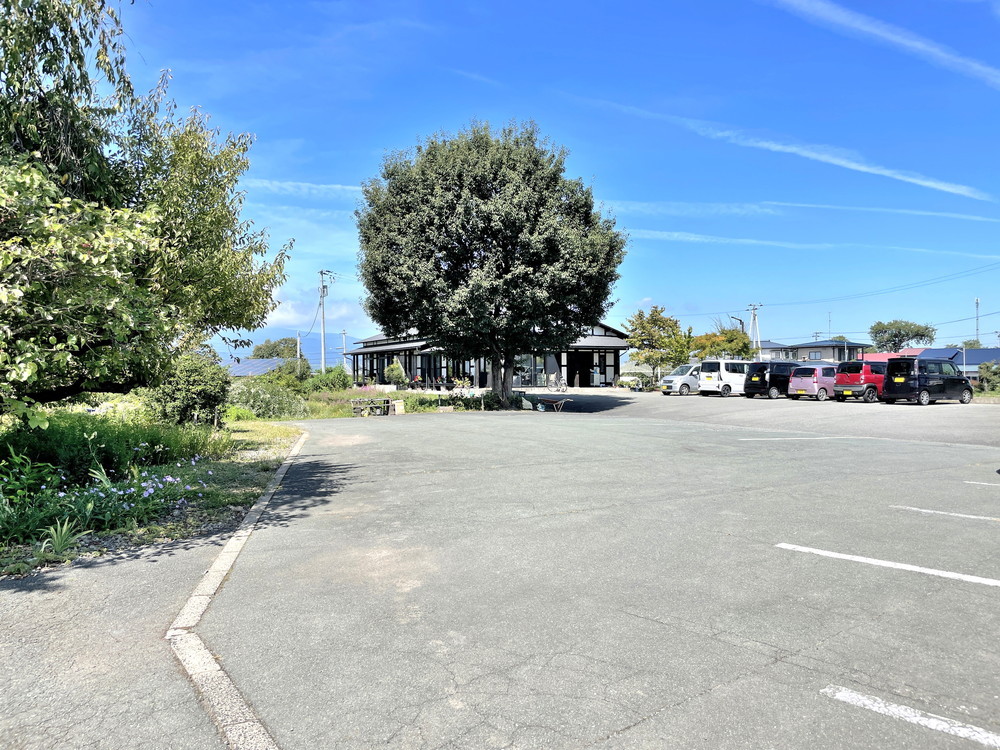
If you go behind the souvenir shop, you will find a large parking space.
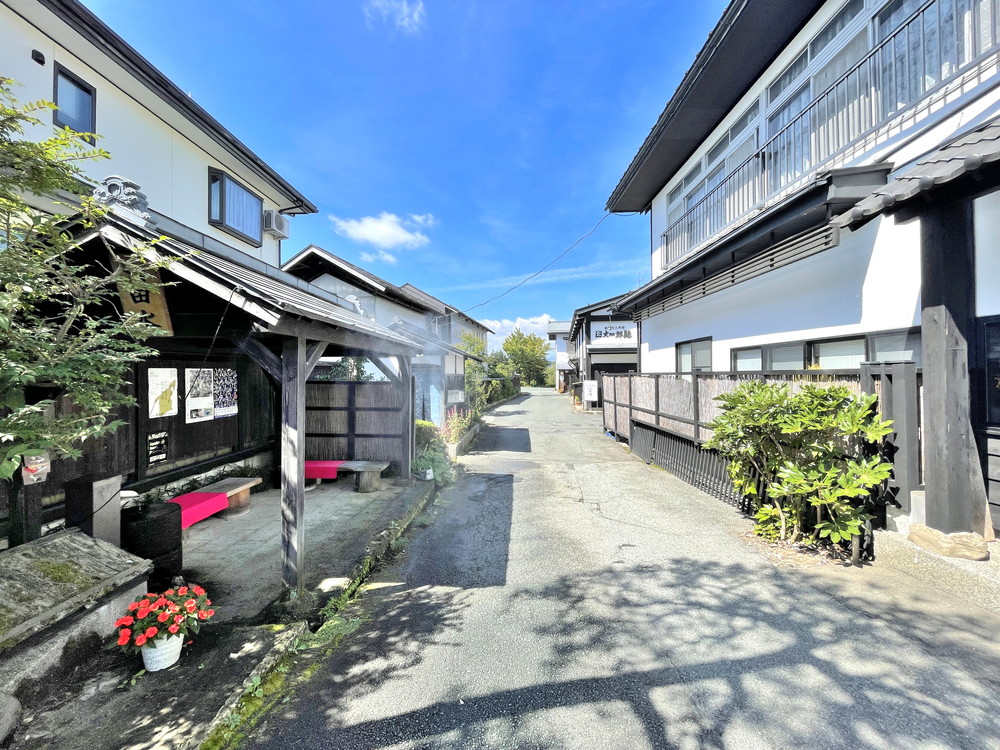
Even those who are not good at driving can park with peace of mind.
6. Message
Finally, President Saito gave a message to everyone reading VISIT YAMAGATA.
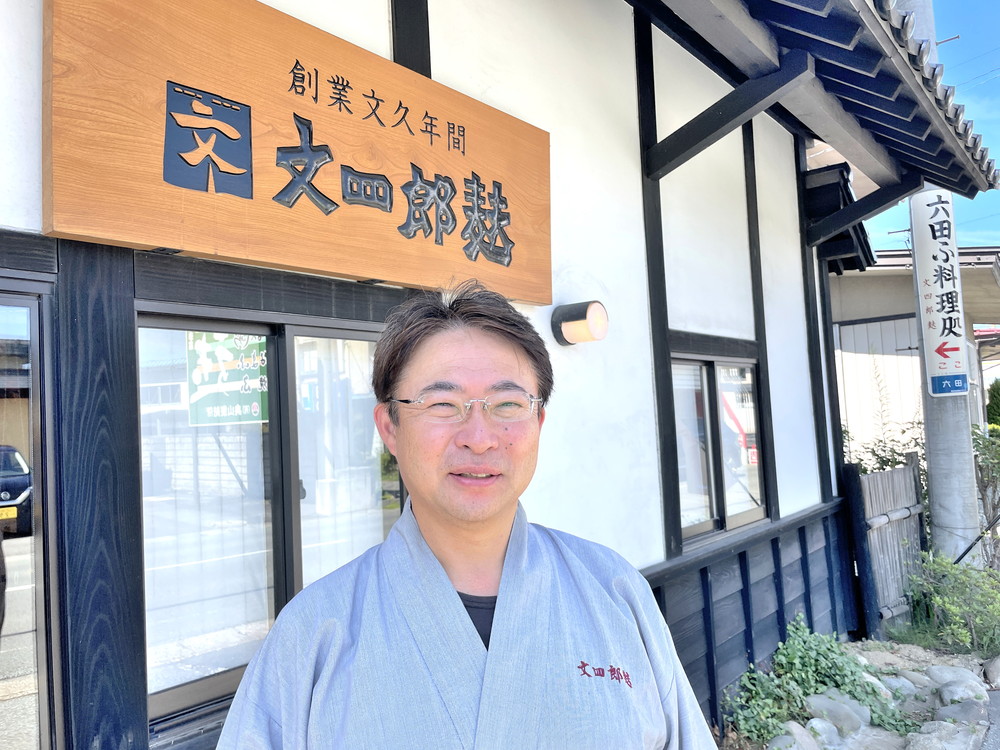
“Higashine City in Yamagata Prefecture is famous for its cherries, but it is also an area that has been producing gluten since the Edo period.
Please come to Higashine to try our delicious gluten.
We look forward to seeing you.”
Detailed information
-
Bunshirofu
2-2-20 Rokuta, Higashine City, Yamagata Prefecture
0237-42-01170237-42-0117
![[Feature] KASUMI TERRACE! Authentic Italian Cuisine](https://www.visityamagata.jp/wp/wp-content/uploads/2026/01/カスミテラス_aita-33.jpg)
![[Feature] Former Kashiwakura Family Residence! Important Cultural Property](https://www.visityamagata.jp/wp/wp-content/uploads/2022/06/旧柏倉家住宅_住宅入口_石川香菜.jpeg)
![[Feature] Tendo Mokko! Factory Tour & Showroom](https://www.visityamagata.jp/wp/wp-content/uploads/2026/02/20260123_121129-編集済み.jpg)
![[Feature] Hirasawa Trout Farm! Cherry Salmon](https://www.visityamagata.jp/wp/wp-content/uploads/2025/12/にじます養殖池の中2.jpg)
![[Activity] Snowshoe Trekking at Zao! Snow Monsters with a guide [2026][ENDED]](https://www.visityamagata.jp/wp/wp-content/uploads/2021/01/o8889187c95ca4d973d8cf0c7a6b37d8d_64634470_210122_0012.jpg)