
Feature
- VISIT YAMAGATA
- Feature
- [Feature] Former Kashiwakura Family Residence! Important Cultural Property
[Feature] Former Kashiwakura Family Residence! Important Cultural Property


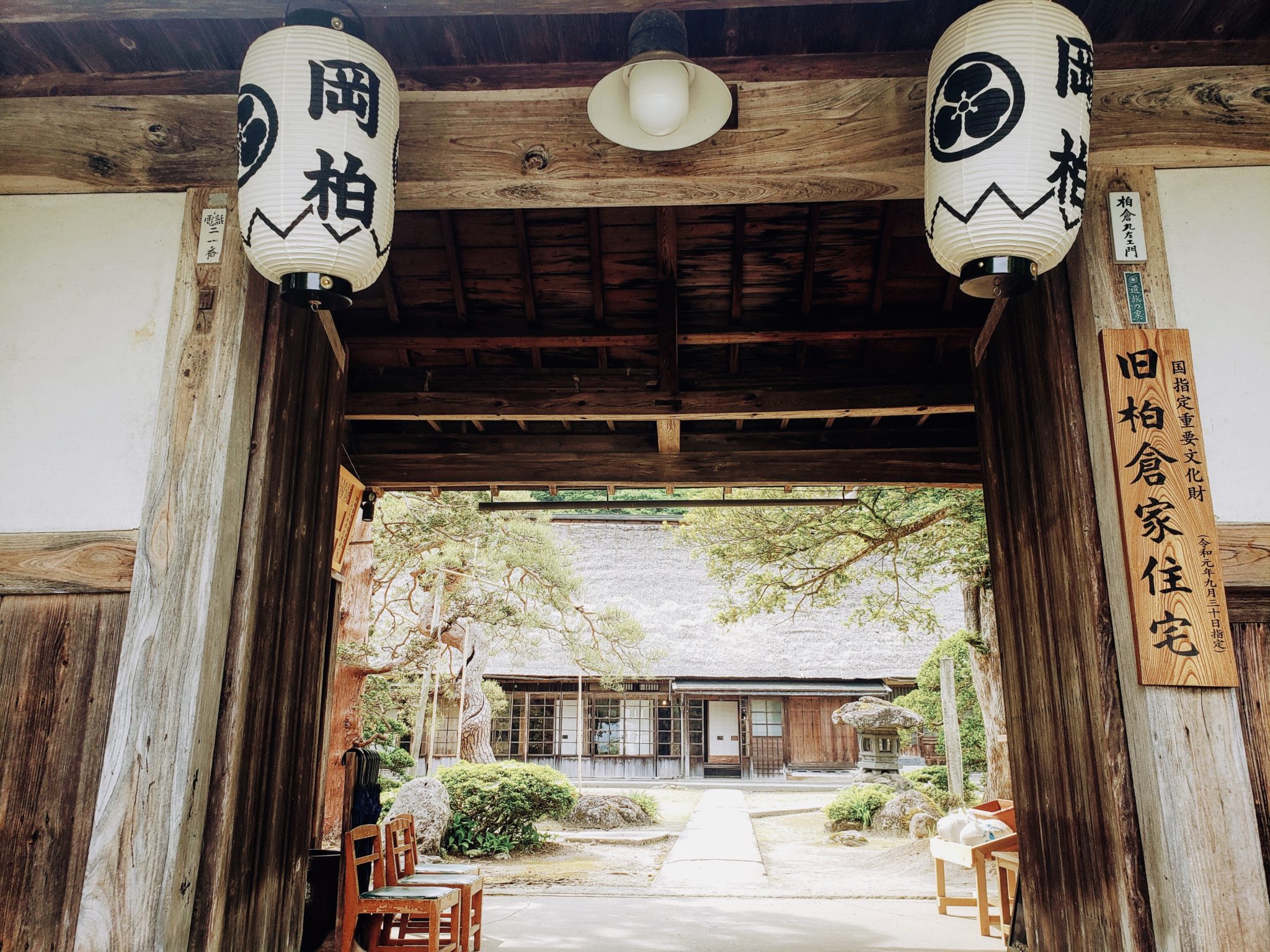
During the Edo period, Yamagata was famous as one of the leading safflower producing areas in the country, and safflower from there was called “the best safflower” and was said to be worth “a hundred times more than rice and ten times more than gold” due to its high quality.
This time, we will introduce you to the elegant and glamorous mansion of the Kashiwakura family, who were renowned as wealthy farmers with the highest safflower production at the time in Yamagata, “the land of safflower.”
1. What is the Former Kashiwakura Family Residence?

Nakayama Town, adjacent to the northwest of Yamagata City, is said to be the birthplace of the Imoni-kai event.
During the Edo period, the town was a major producer of safflower.
Among them, the Kashiwakura family produced the largest amount of safflower in the Murayama region.
The business was mainly run by landowners and financial institutions, but they also worked hard to produce high-quality safflower.
The Kashiwakura Family Residence is a large house that gives a glimpse into the lifestyle of upper-class farmers during the Meiji period.
The head of the family has taken the name “Kuzaemon” for generations, and during the Edo period he even served as the headman of the Yamagata domain.
The mansion was built in the late Edo period and is said to have undergone major renovations during the Meiji period to take on its current form.
In recent years, its cultural value has been highly praised, and it was designated a Nationally Designated Important Cultural Property in 2019 (Reiwa 1). Its appeal has been recognized from many quarters as a constituent organization of Japan Heritage in 2018 (Heisei 30) and Japan Agricultural Heritage in 2019 (Heisei 31).
2. Introduction of the mansion
When the head of the Kashiwakura family made a trip to Kyoto, he would often have his personal carpenter accompany him, and the most cutting-edge and most sophisticated techniques of the time would be incorporated into the construction of the family home.
This time we will introduce some of them.
① Garden
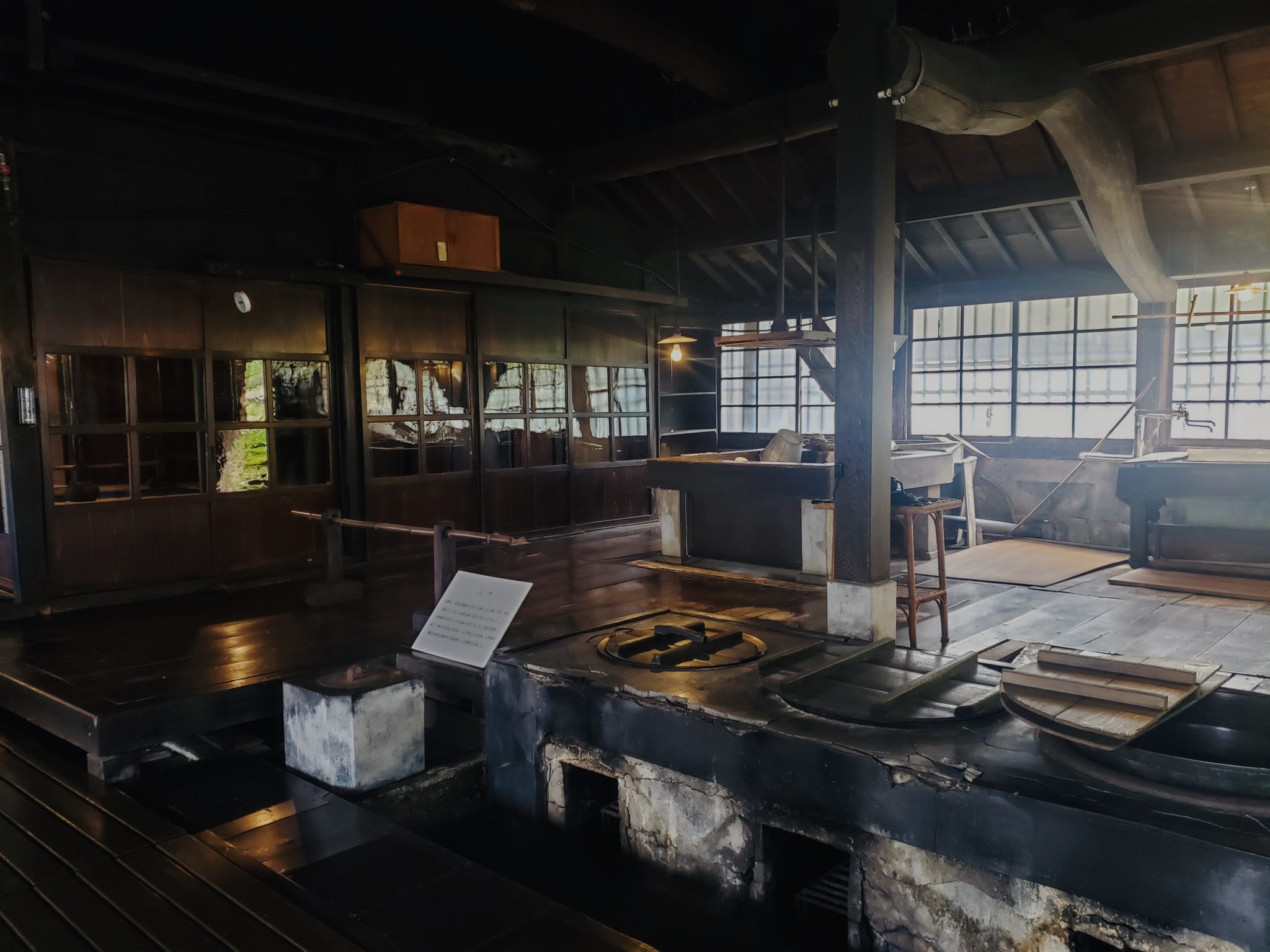
A niwa is an earthen floor at the entrance to a farmhouse.
As soon as you step inside the mansion, you’ll be greeted by a view that makes you feel as if you’ve traveled back in time to a farmhouse from the Meiji period.
A rice bale is hanging in one corner of the garden.
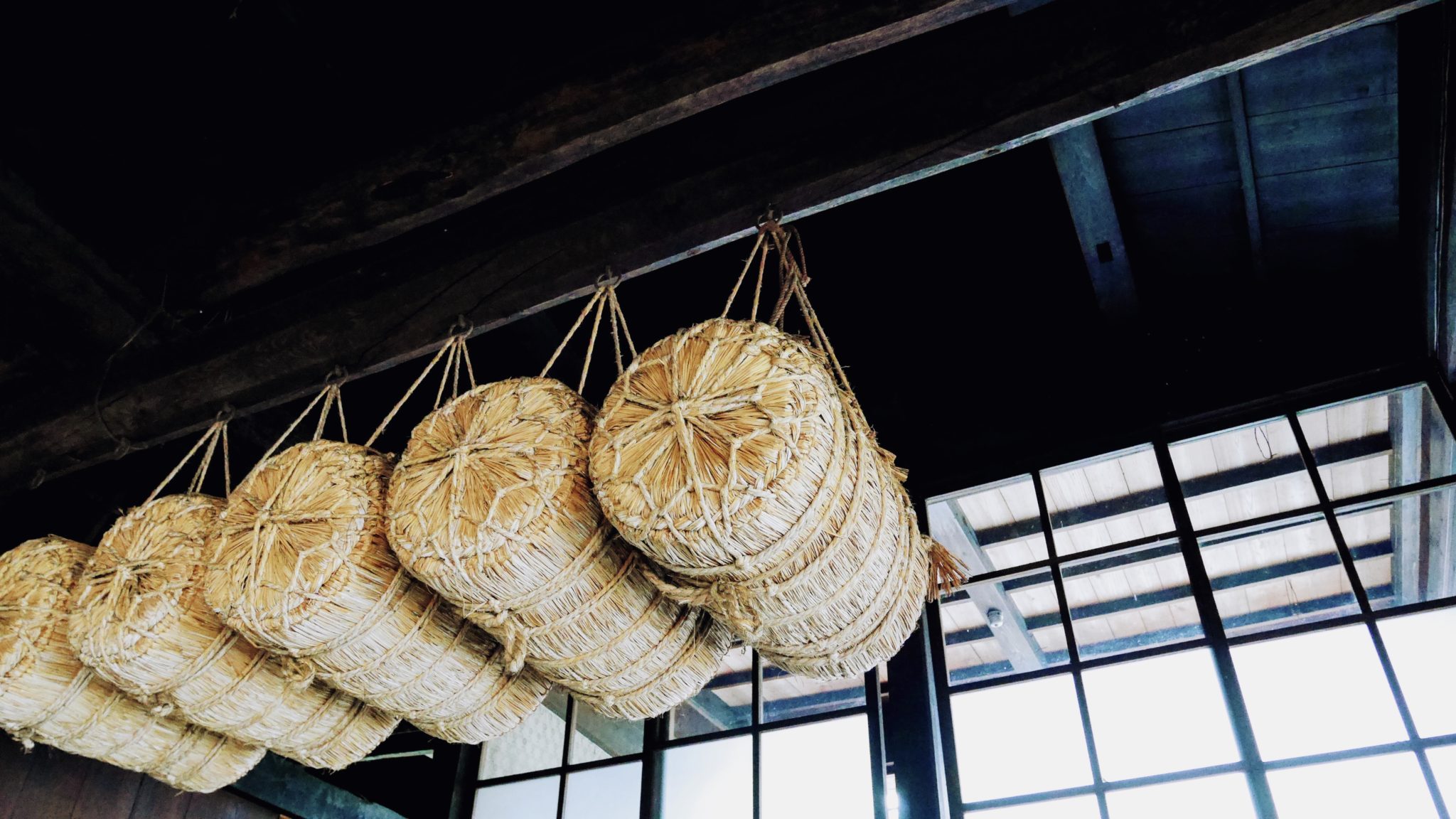
This is a way to prevent pests from eating the precious rice.
The sturdy beams remain stable even when hung with so many rice sacks, and have a tasteful color that comes from being naturally smoky over many years of daily life.
The room you can see behind the rice bales was once used as accommodation for traveling merchants and medicine sellers.
② Cutting edge
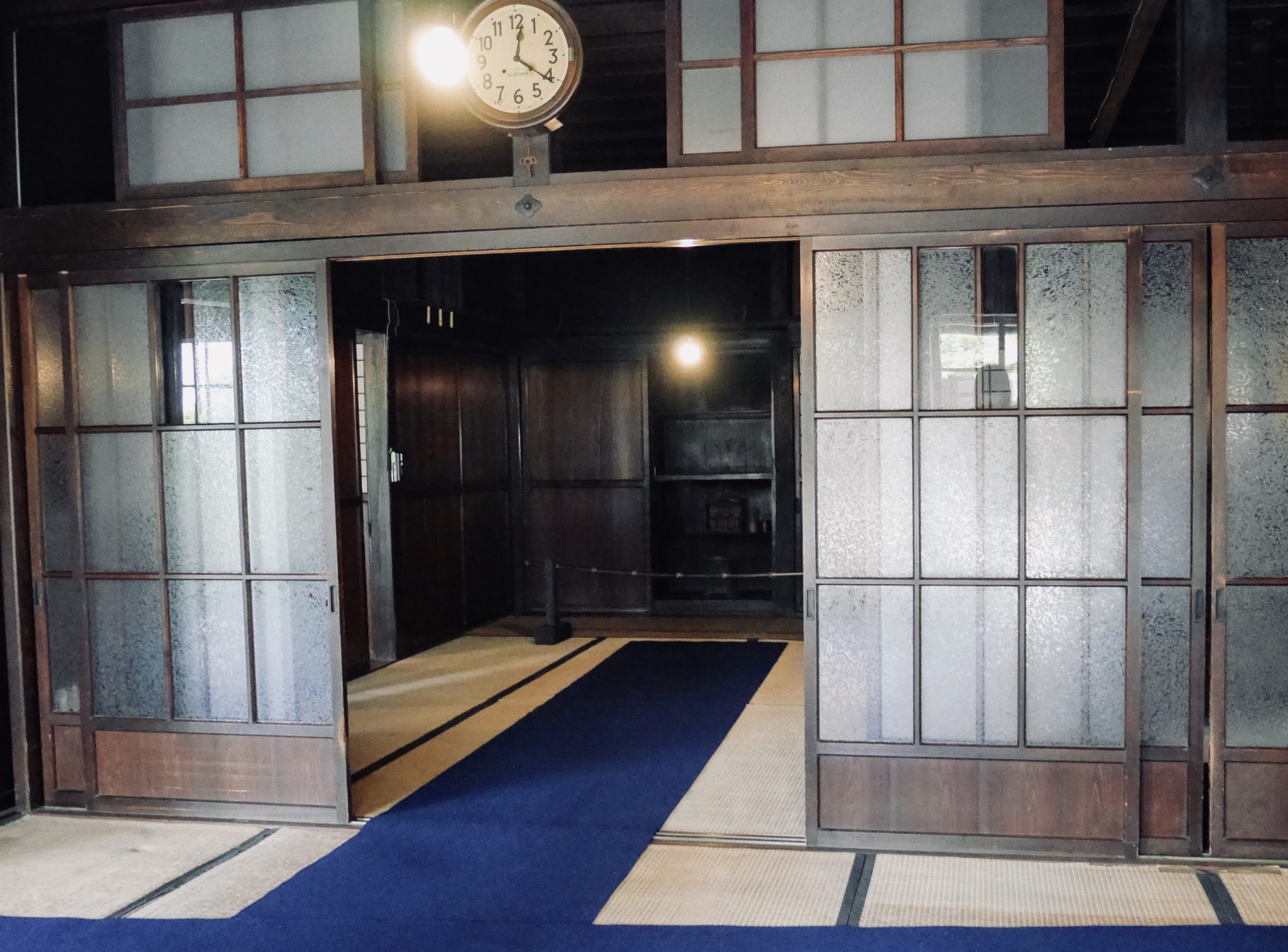
The room you can see in the back is called “Katte” (kitchen area), where the family and maids ate their meals.
I discovered something unusual here.
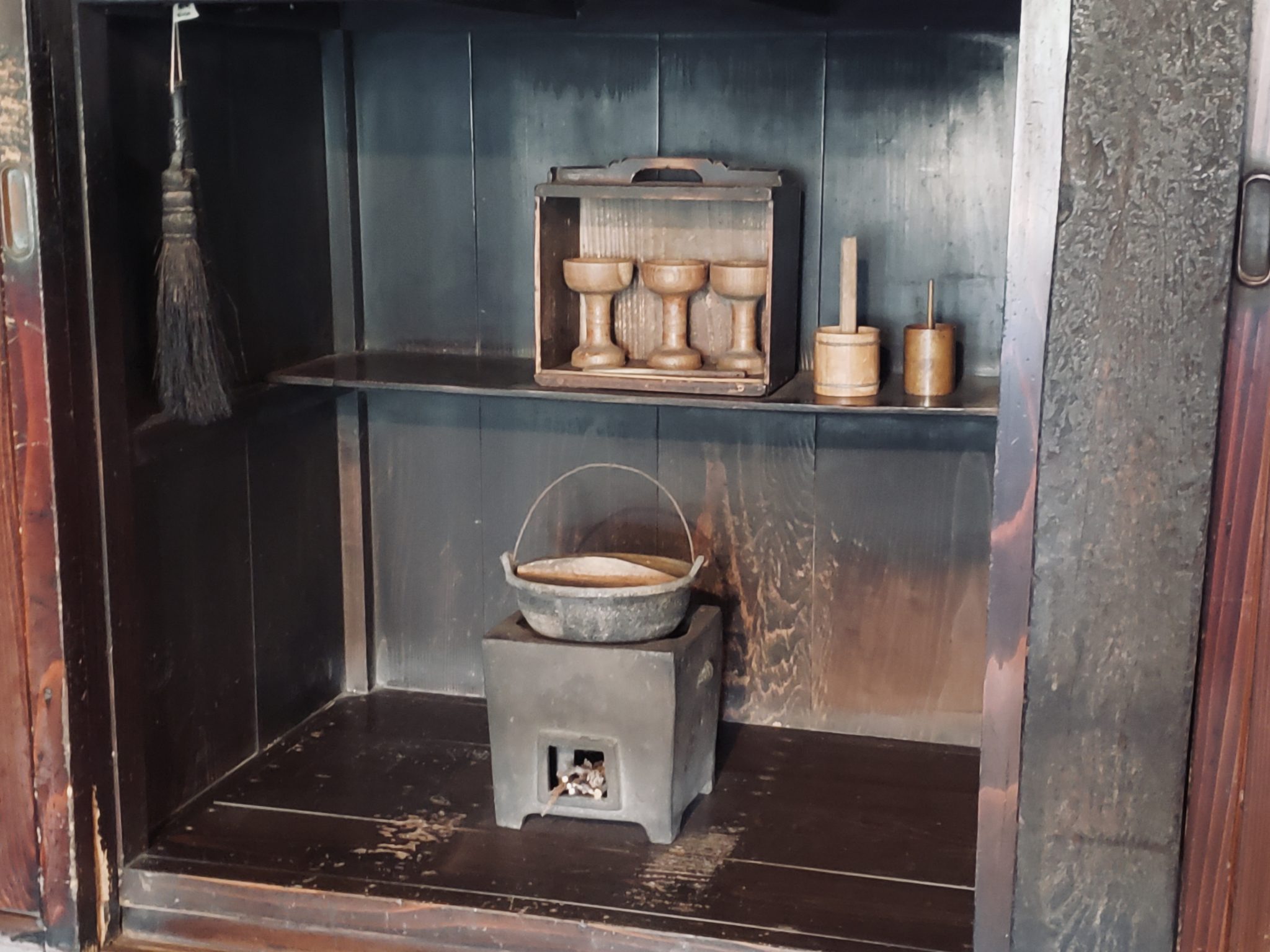
What do you think the small Okama crater lake on the bottom level was used for?
Actually, this Okama Crater Lake is called “Hetsui” and was used exclusively for offering rice to Buddha.
The Kashiwakura family is known for their deep religious faith, and this item is proof of that.
3. Nakama (middle)
If you go further, you will see Nakama (middle), which is the bedroom and study for the head of the family and his wife.
The room contains a large, heavy safe, the kind of thing you rarely see in an ordinary home.
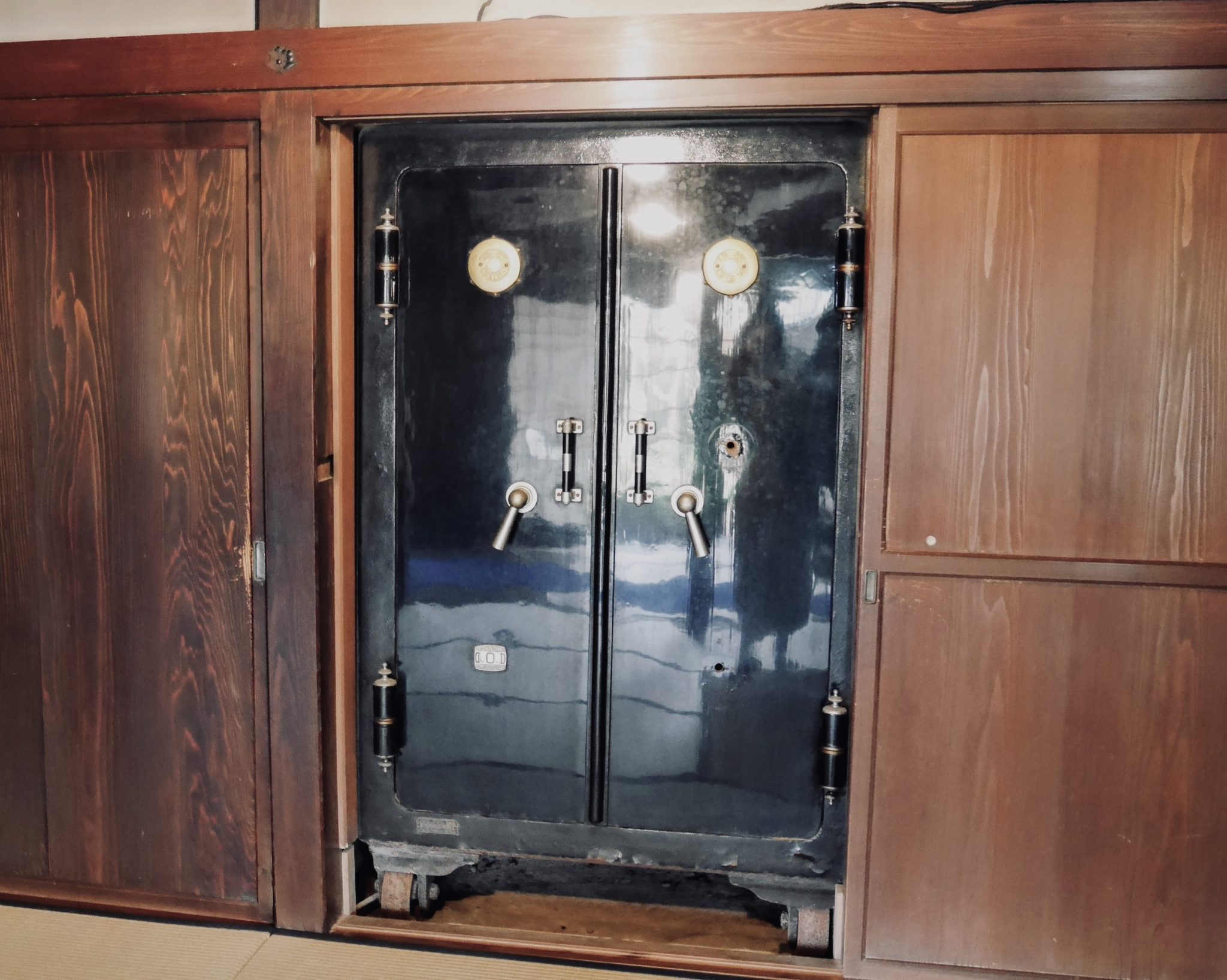
This safe is said to be the No. 1 safe of that time.
Here, we will tell you some points you should definitely check when visiting an old house such as the Kashiwakura family home.
It is a “kugikakushi” (nagashi) decoration attached to the horizontal beams that connect the pillars in a room.
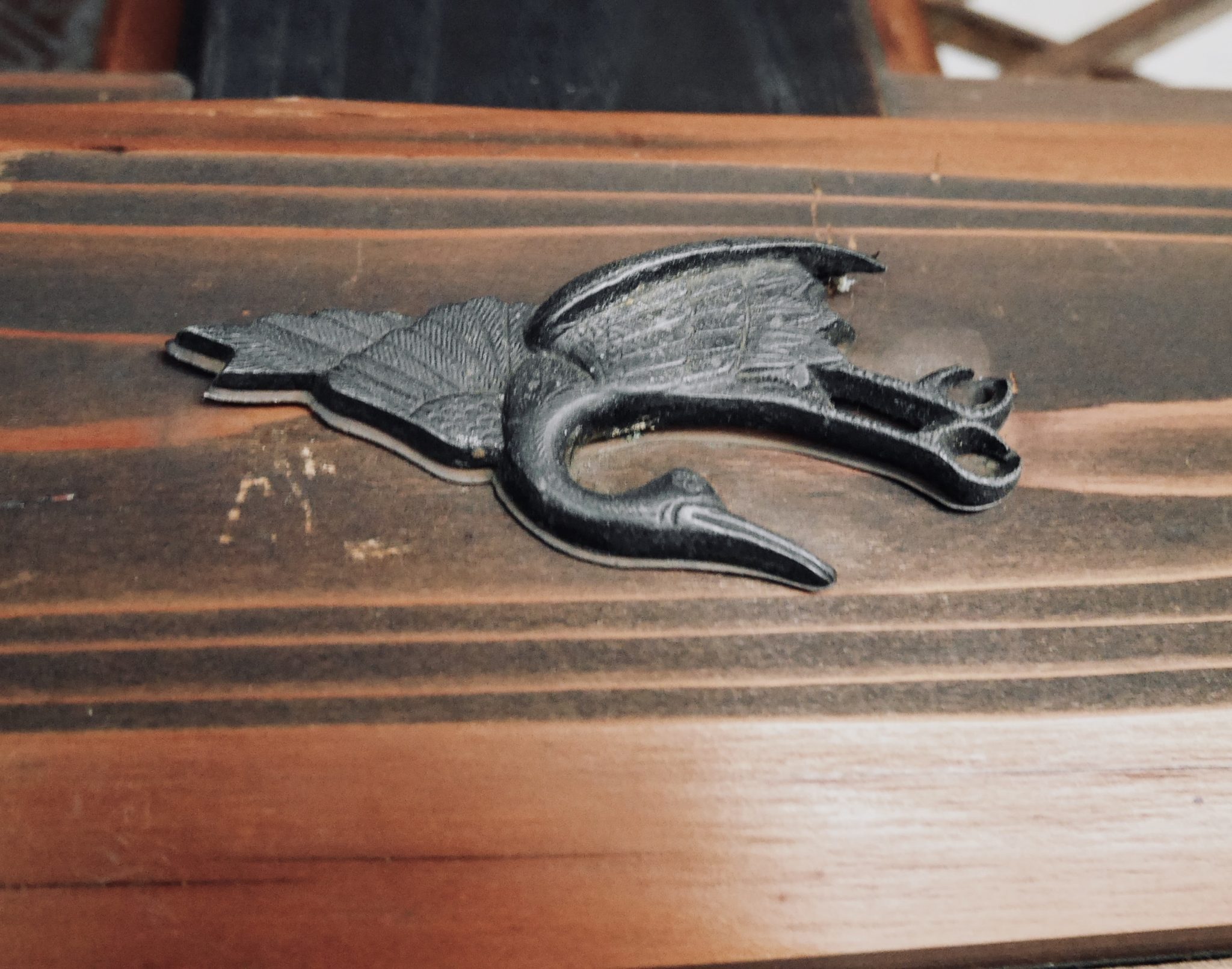
In fact, each room has a different design for these nail covers.
You can see the attention to detail in every little detail.
Please come and see it for yourself.
④Kamizashiki (upper room)

This room was used to welcome special guests, including the feudal lord.
Of particular note is the tokonoma alcove, which is made using five different types of precious wood.
The materials of each floor pillar and floorboard are different.

This Kamizashiki alone is a luxurious creation made using seven fine woods, including black persimmon, areca nut, and quince.

The paper used for the shoji screens is watermarked Mino washi paper, a very valuable type that is no longer produced.
⑤Garden
The upper room overlooks the beautiful courtyard.
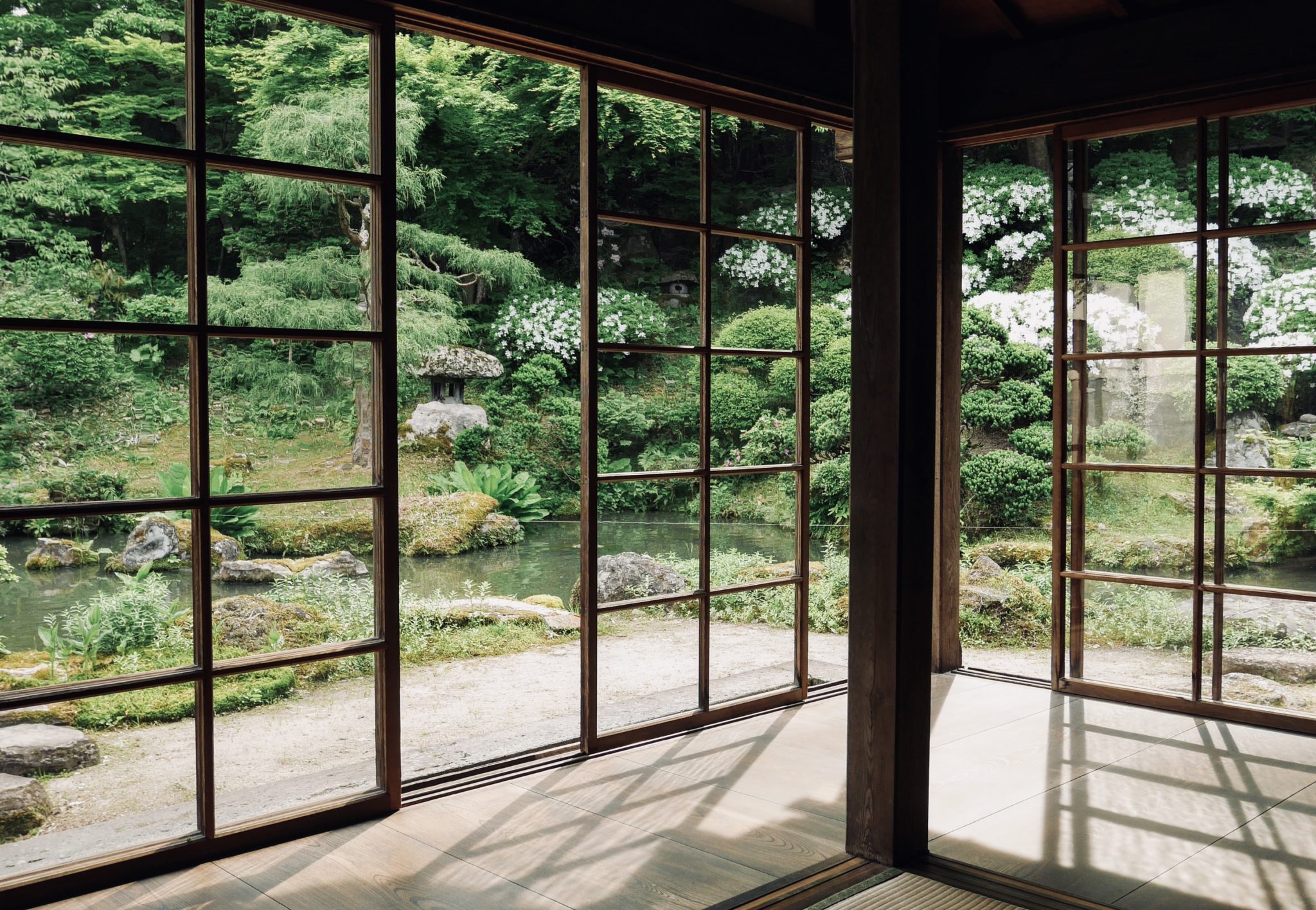
It is called the Tsurukame Garden and is famous for its beautiful autumn leaves.
At the time of the photo, the azaleas were in full bloom.
It offers different scenery depending on the season.
The glass used for the doors is “Taisho glass,” which was manufactured from the Meiji to Taisho periods.
The delicate shimmering of the scenery created by the irregular waves unique to Taisho glass gives it a retro feel.
This is a spot you’ll want to take your time to enjoy.
⑥ Butsuma (Buddhist altar)
When talking about the former Kashiwakura family residence, the Butsuma (Buddhist altar room) is an essential part of the story.
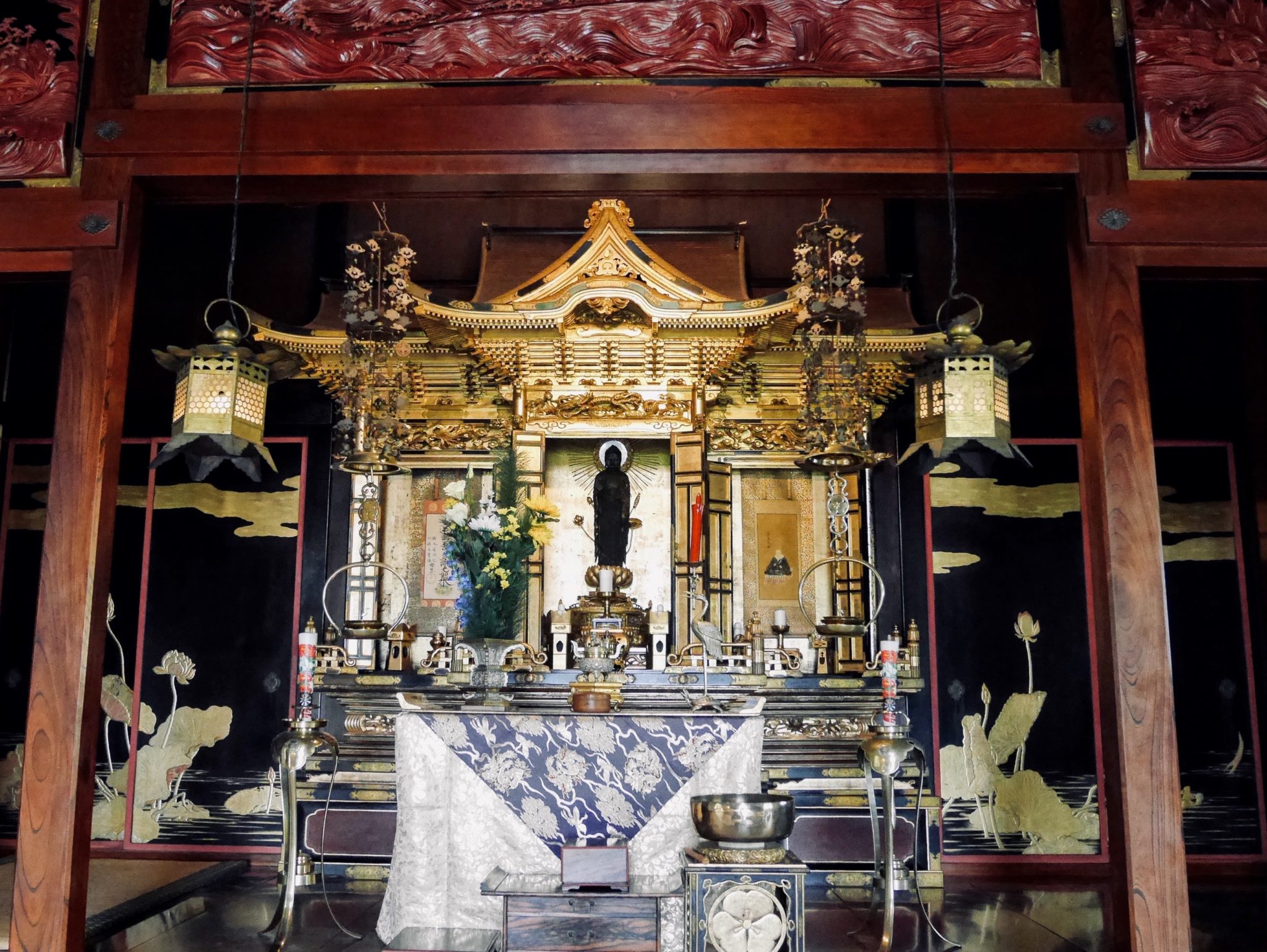
You will be overwhelmed by its size, which is hard to believe for a private Buddhist altar.
This Buddhist altar is a Kyoto Buddhist altar that was transported on a Kitamae-bune ship during the Edo period, when water transportation was popular, and was modeled after Higashi Honganji, one of the head temples of the Jodo Shinshu sect.
According to family tradition, Gohonson’s Amida Nyorai statue was made in the Muromachi period, and with special permission from the head temple it has been placed there unchanged for over 300 years.
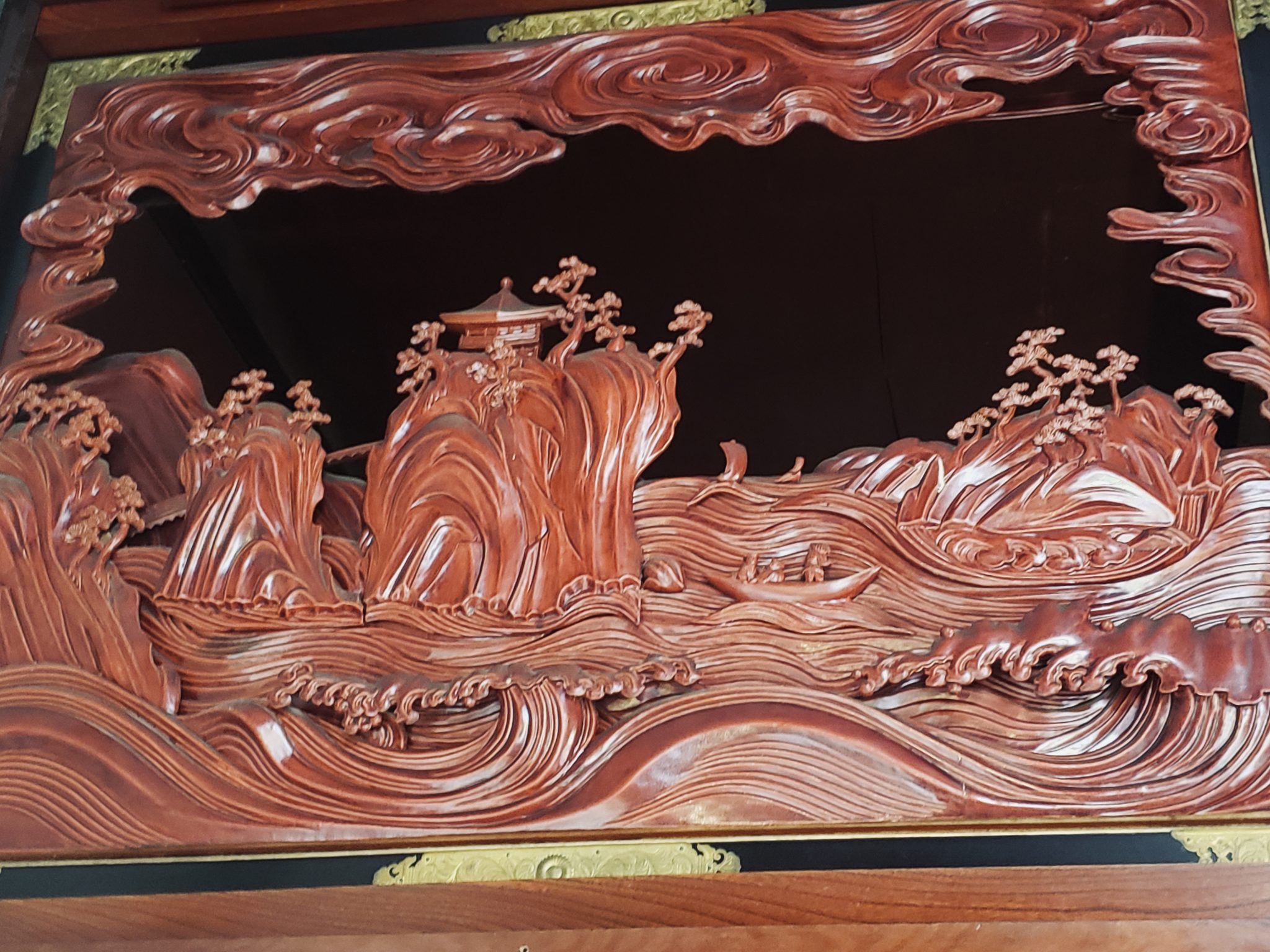
The column at the top of the altar depicts three of Japan’s most scenic views: Miyajima, Amanohashidate, and Matsushima.
It was carved by a Buddhist altar craftsman from Yamagata based on an original painting by the artist Sessho Kashiwakura, who was a member of the same clan.
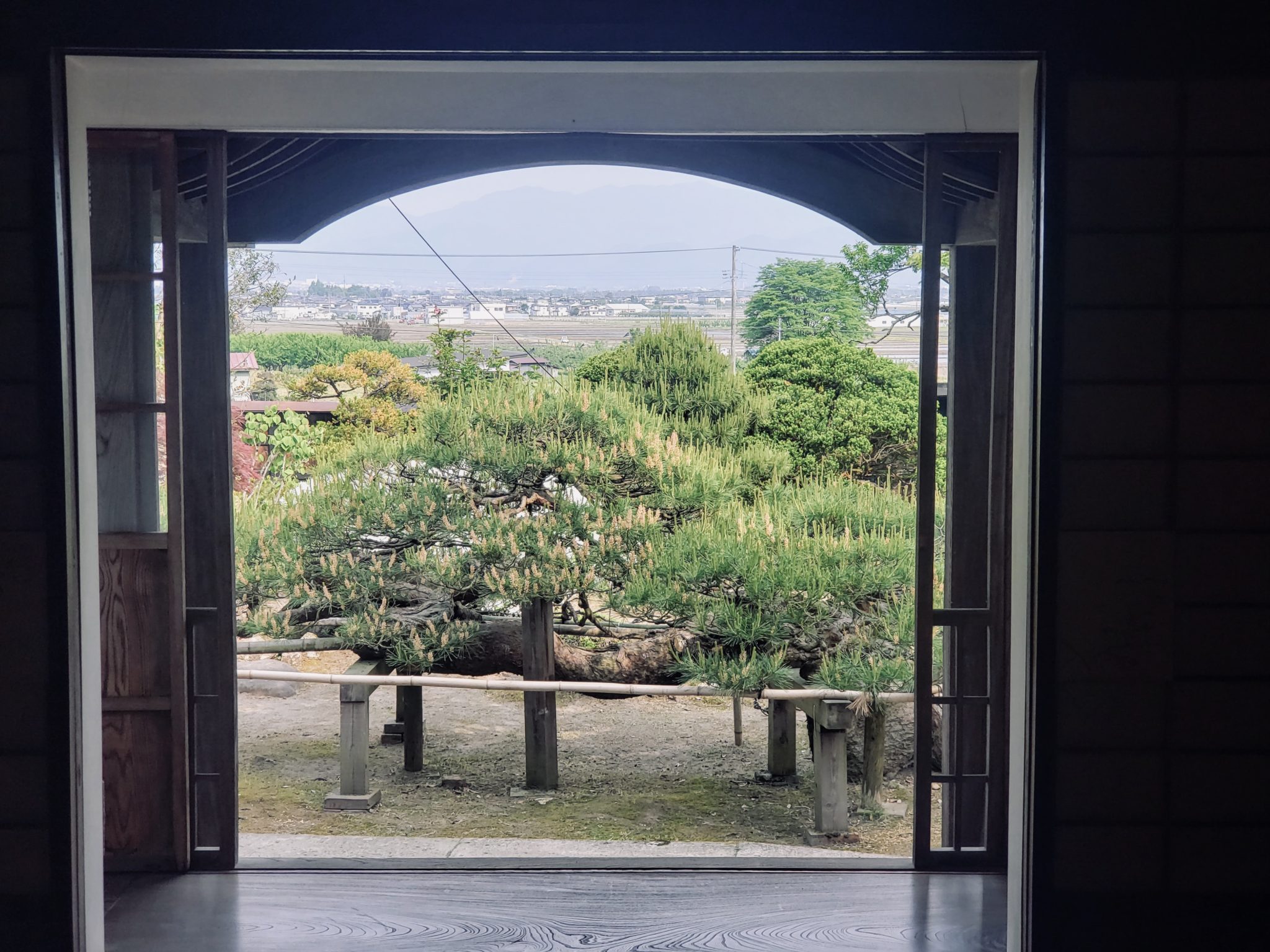
From the Buddhist altar you can see a magnificent Japanese red pine tree known as Garyumatsu, as well as the Nagasaki and Nakayama Town areas.
And when this Butsuma (Buddhist altar room) receives the gentle sunlight in the morning and evening, it takes on a more peaceful yet solemn appearance, which is said to calm the mind.
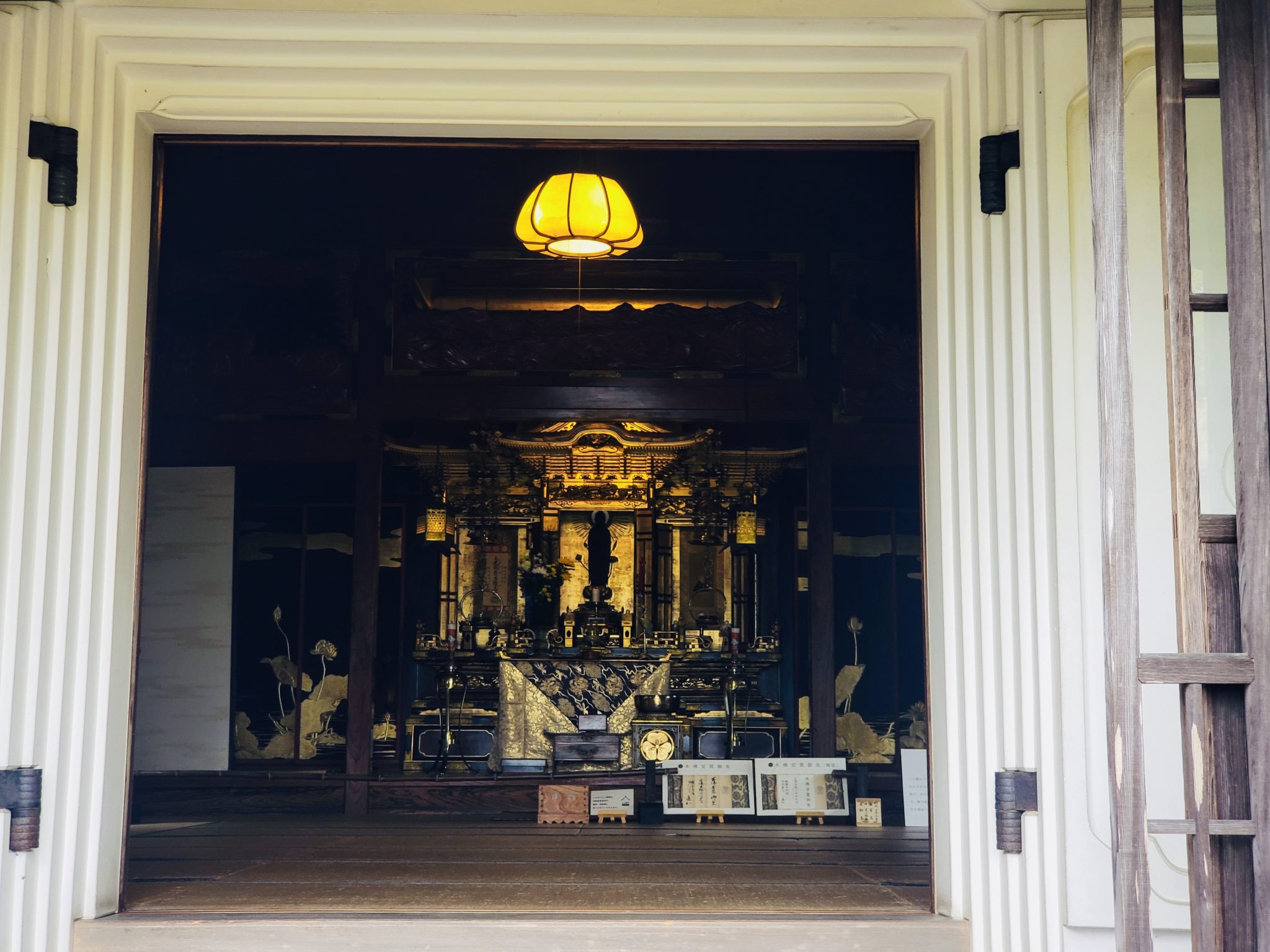
When I saw Gohonson up close, I was so taken aback by its majesty that I felt a chill run down my spine.
Please come and experience it for yourself.
⑦ Walking trails
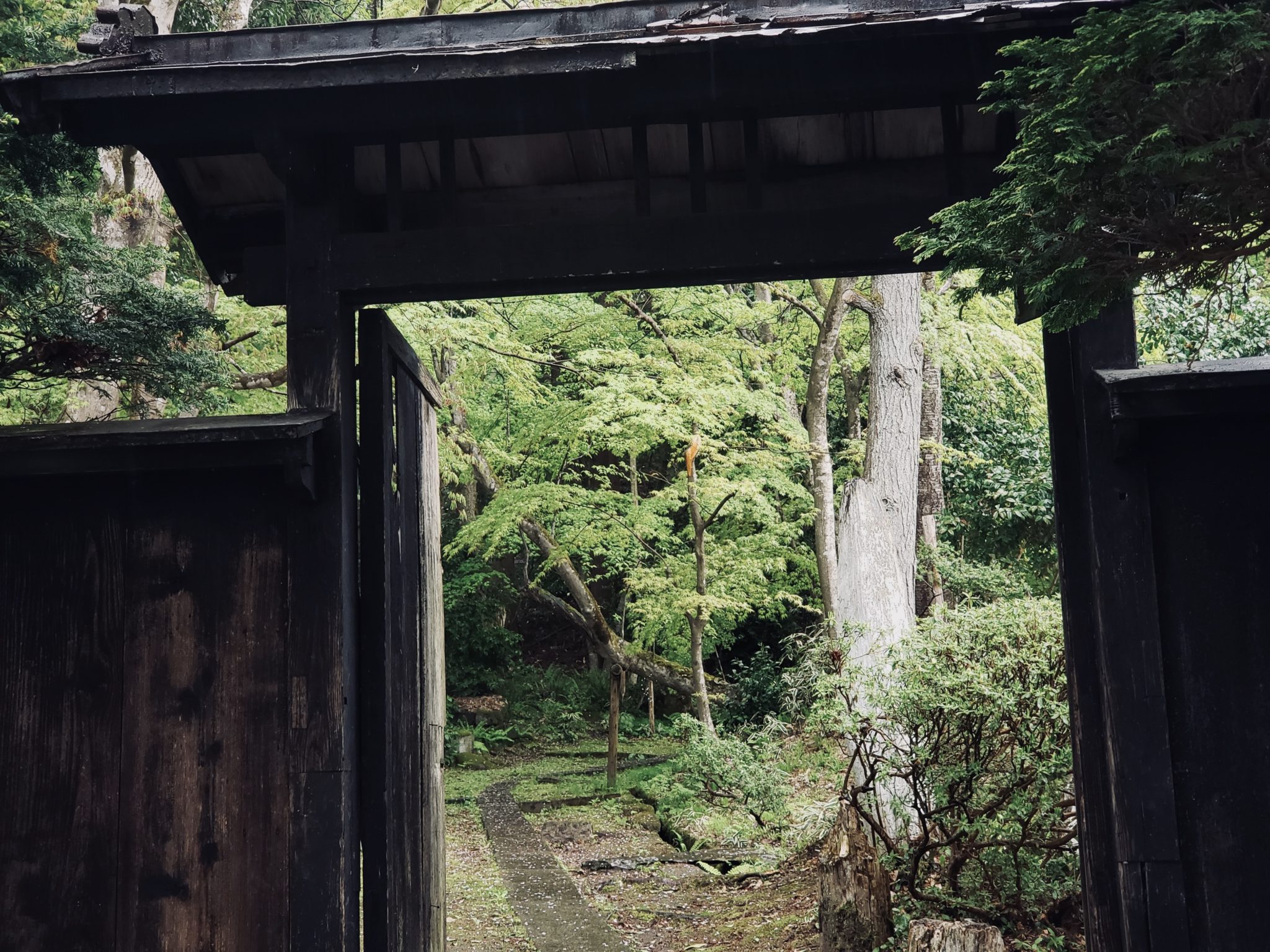
As you walk along the walking path surrounding the garden and enter the mountain behind it, you’ll come across crushed bamboo chips underfoot, providing a soft, cushion-like feel when walking.
Take a leisurely walk and feel the scent of the forest, the birds singing, and the changing seasons with your whole body.
You’re sure to feel soothed.
3. A natural café perfect for after a stroll
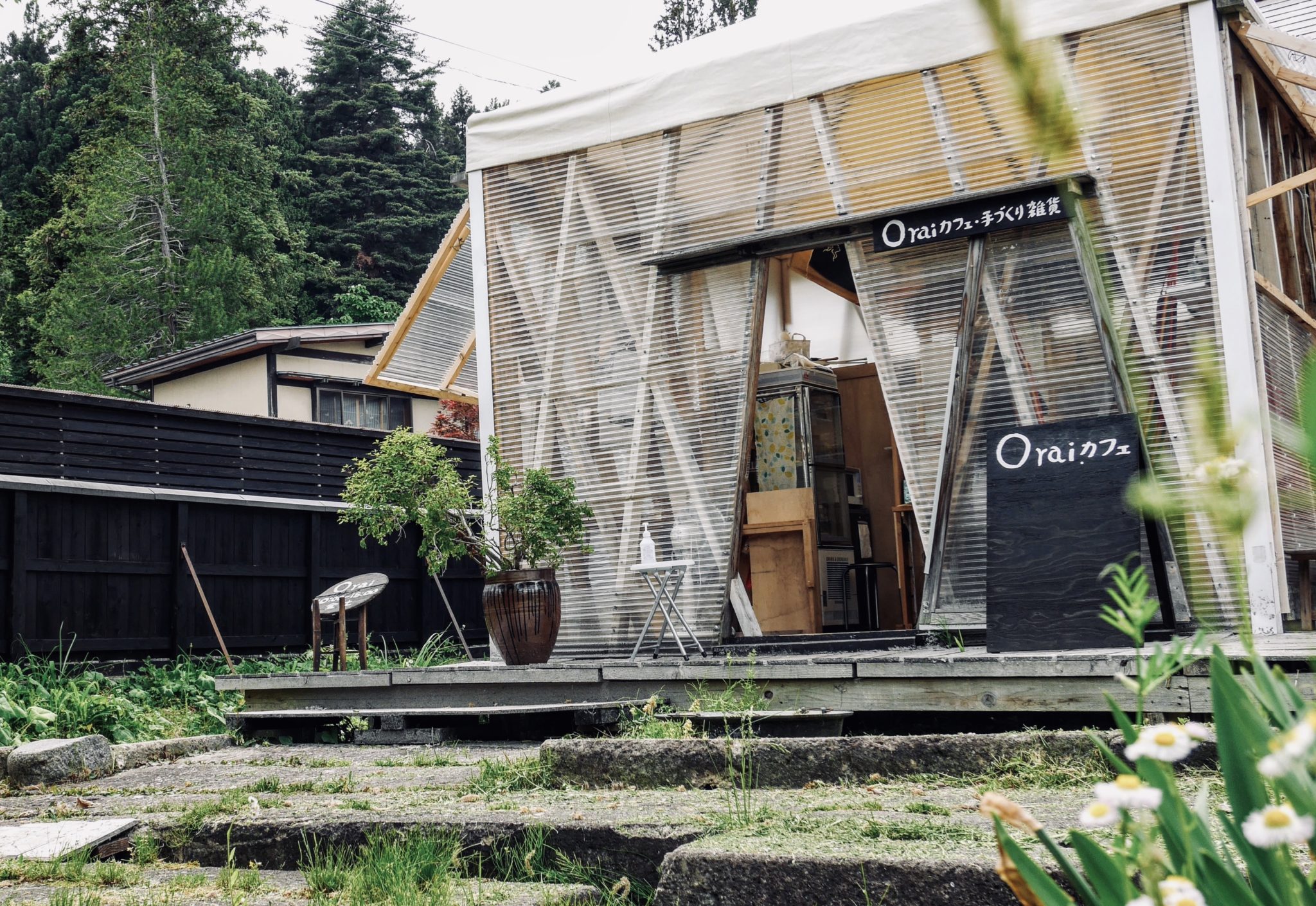
Oraicafé
We also stopped by Oraicafé, located about a three-minute walk from the Former Kashiwakura Family Residence.

Once you step through the black walls onto the grounds, you’ll find a café with a stylish appearance nestled in a spacious, well-maintained garden!

Oraicafé offers a menu centered around seasonal dishes, including herbs and wild plants harvested from the garden on the premises.
Here is the menu for this day.


I had the lunch set.

For the rice balls, I chose salt rice ball and butterbur miso from the seven different fillings available.
The butterbur sprouts grown in this garden have little impurities and a delicious, slightly bitter taste.
All ordered menu items can be eaten outside while looking out at the garden.
Since we were there, we decided to enjoy a “fresh herb tea soda float” in the garden.

The herb used generously in the tea soda float is a Japanese herb called “kakidooshi” that has a gentle flavor.
The moment you put it in your mouth, a refreshing aroma spreads.
The store manager personally picks the herbs from the garden after an order is placed.
A customer who came from Kanagawa Prefecture that day was also amazed at the scene, saying, “It’s so fresh!”
Enjoy a luxurious time enjoying a delicious lunch in the garden while feeling the pleasant breeze.
I found a special café that’s like a secret base.
At Oraicafé, you can also experience baking pizza in a pizza oven if you make a reservation in advance, so be sure to check it out.
Detailed information
-
oraicafé
17 Oka, Nakayama-cho, Yamagata Prefecture
4. To everyone viewing VISIT YAMAGATA
Finally, we received a message from Ms. Yuko Sajiki, Chief and Curator of the Nakayama Town Board of Education, which manages the Former Kashiwakura Family Residence.
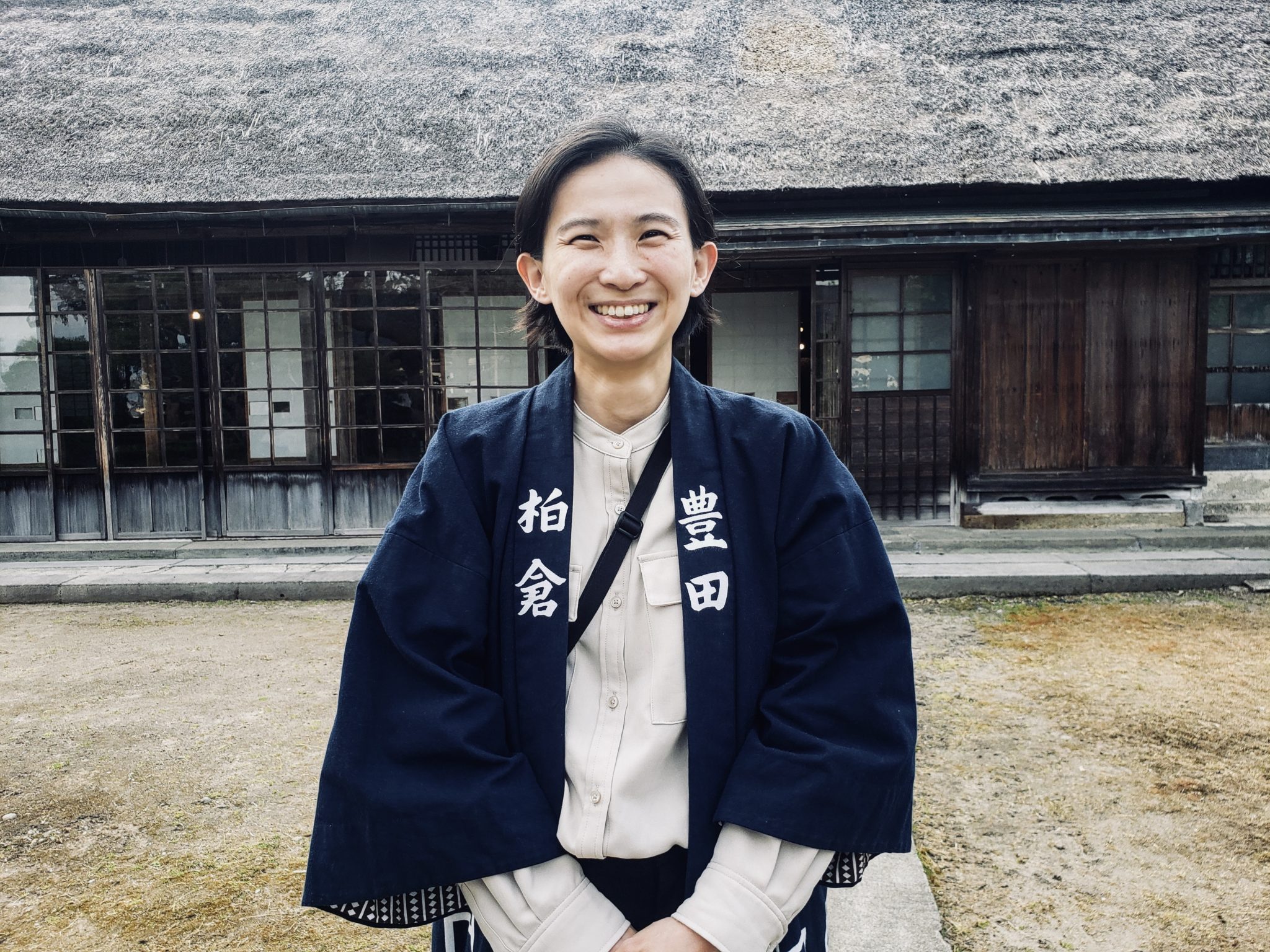
Mr. Sajiki, who is originally from Tokyo, worked as a local revitalization volunteer in the management and preservation of the former Kashiwakura family home, and after his term ended he moved to Nakayama Town.
“The Kashiwakura Residence is located in a place rich in nature at the foot of a rural mountain area, and every time I visit I discover something new, so I want to come back again and again. There are many things that give a glimpse into life in the Edo and Meiji periods, including a rare Buddhist altar that was brought by a Kitamae ship, so please come and visit us.”
Detailed information
-
Former Kashiwakura Family Residence
8 Oka, Nakayama-cho, Yamagata Prefecture
023-687-1778023-687-1778
Read together
![[Feature] Tendo Mokko! Factory Tour & Showroom](https://www.visityamagata.jp/wp/wp-content/uploads/2026/02/20260123_121129-編集済み.jpg)
[Feature] Tendo Mokko! Factory Tour & Showroom
![[Activity] Snowshoe Trekking at Zao! Snow Monsters with a guide [2026][ENDED]](https://www.visityamagata.jp/wp/wp-content/uploads/2021/01/o8889187c95ca4d973d8cf0c7a6b37d8d_64634470_210122_0012.jpg)
[Activity] Snowshoe Trekking at Zao! Snow Monsters with a guide [2026][ENDED]
![[Feature] MOKULOCK! Yonezawa Wooden Blocks](https://www.visityamagata.jp/wp/wp-content/uploads/2025/12/MOKULOCK_17.jpg)
[Feature] MOKULOCK! Yonezawa Wooden Blocks
![[Activity] Mt. Kumanodake & Okama in Winter! Go up Zao in snowshoes [2026][OPEN]](https://www.visityamagata.jp/wp/wp-content/uploads/2022/03/お釜トレッキング_お釜01.jpg)
[Activity] Mt. Kumanodake & Okama in Winter! Go up Zao in snowshoes [2026][OPEN]
![[Feature] Bed & Vegetable Kahoku! Experimental Hotel](https://www.visityamagata.jp/wp/wp-content/uploads/2025/08/BV.png)
[Feature] Bed & Vegetable Kahoku! Experimental Hotel